
Review · SPAIN
Jerez: Royal Andalusian School of Equestrian Art Admission
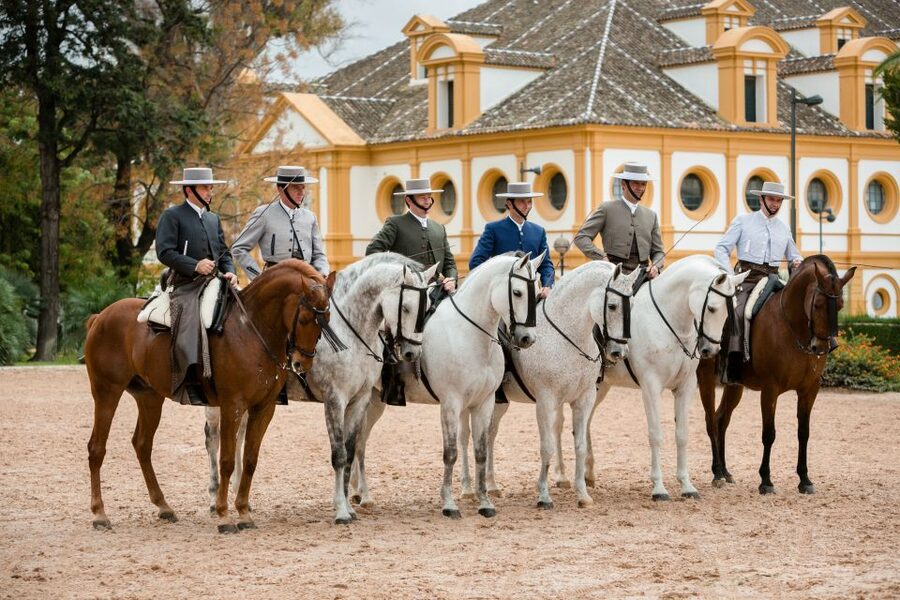
At Jerez’s Royal Andalusian School, the star attraction is not a staged performance but the chance to see Andalusian horses at work. You tour the stables, tack room, saddlery, training rings, palace, museums, and gardens, with the daily training often providing the most memorable moments.
I like the behind-the-scenes access and the strong value at $18. I also like that the visit covers much more than horses: Charles Garnier’s palace, an 11-room equestrian museum, and an impressive carriage collection all come with admission. The main catch is timing. Training and saddlery visits are not available on Saturdays, and this ticket is not the famous horse-dance show.
- Watch daily training: See horses and riders work in the outdoor rings and indoor arena, except on Saturdays.
- Tour the working stables: Visit the octagonal stable complex and its central tack room.
- Explore the palace: Walk through 19th-century rooms designed by Charles Garnier.
- See how equipment is made: The saddlery reveals the careful work behind each bridle and harness.
- Visit two museums: The equestrian museum covers Andalusian horse culture, while the carriage museum closes the route.
- Plan around the clock: Allow about two hours, arrive with your mobile or printed receipt, and check the language schedule carefully.
Why the Royal School is more than a horse museum
The Royal Andalusian School of Equestrian Art gives you a working look at one of Andalusia’s best-known equestrian traditions. You are not simply looking at old saddles behind glass. You may see horses being groomed, trained, lunged, or prepared for work, depending on the day and schedule.
That difference matters. The famous horse show is polished and theatrical, while this visit shows the daily routines that make such performances possible. You see the buildings, equipment, horses, riders, and training spaces before the spectacle is put together.
At $18 per person, the admission offers solid value. You get access to the school facilities, the gardens, palace rooms, equestrian museum, carriage museum, stables, tack room, and training areas. A visit can last around two hours, though some people spend closer to four hours when they take their time in the museums and watch more training.
The school received an overall rating of 4.6 from 882 bookings, and the strongest praise centers on the same things I would emphasize: the beauty and cleanliness of the grounds, the condition of the horses, the quality of the guides, and the chance to see behind the scenes.
Start at the reception center and audiovisual room
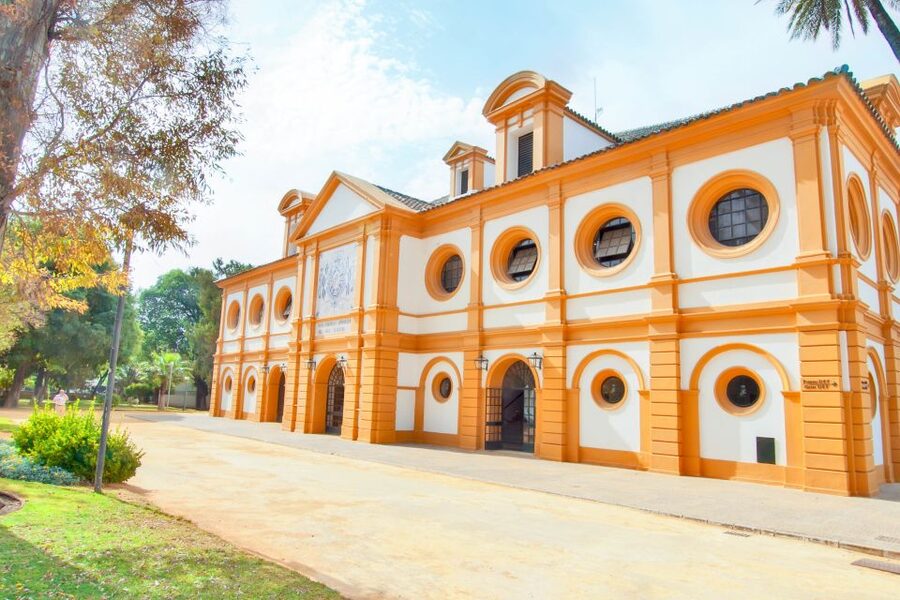
Your visit begins at the visitor reception center. Present your printed receipt or show it on your phone at the ticket office. If you bought a reduced-price ticket, bring proof of eligibility. Without it, you may need to pay the difference to the standard price if full-price tickets are still available.
The reception center includes an audiovisual presentation about equestrian art in Andalusia. It is available until 11:00 in the morning, so an early start gives you the best chance to see it. The schedule for guided tours can vary, and an English tour may begin later than expected, so check the exact starting time when booking.
This first film helps you understand what you are about to see. Without an introduction, the horses, costumes, carriages, and training movements can feel like separate displays. With some context, you can connect the school’s present-day work with Andalusia’s long relationship with the horse.
Past reception, the route opens into the gardens. Give yourself a few minutes here rather than rushing straight toward the stables. The gardens frame the palace and offer a calm start to a visit that becomes more technical as you learn about training and tack.
More Horseback Riding Tours in Spain:
- El Salobre: Horse Riding Adventure with Transfer Options
★ 4.5 · 2,034 reviews - Mallorca: Horseback Riding Experience with Food Options
★ 4.6 · 1,424 reviews - Jerez de la Frontera: Andalusian Horse Dance and Museums
★ 4.7 · 1,289 reviews
Walk through Garnier’s palace and formal gardens
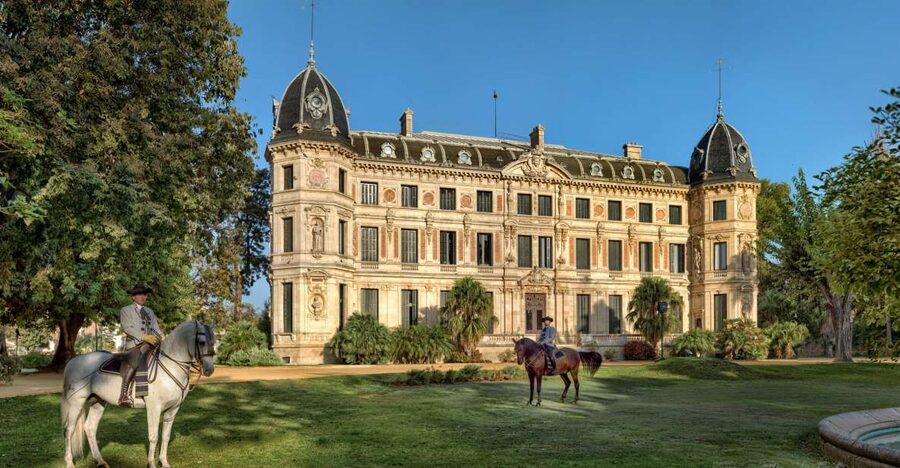
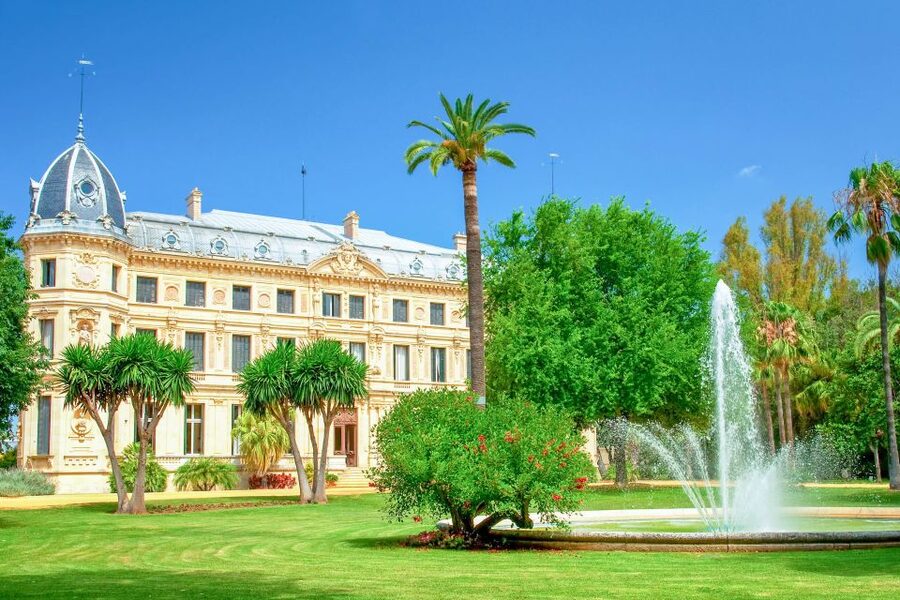
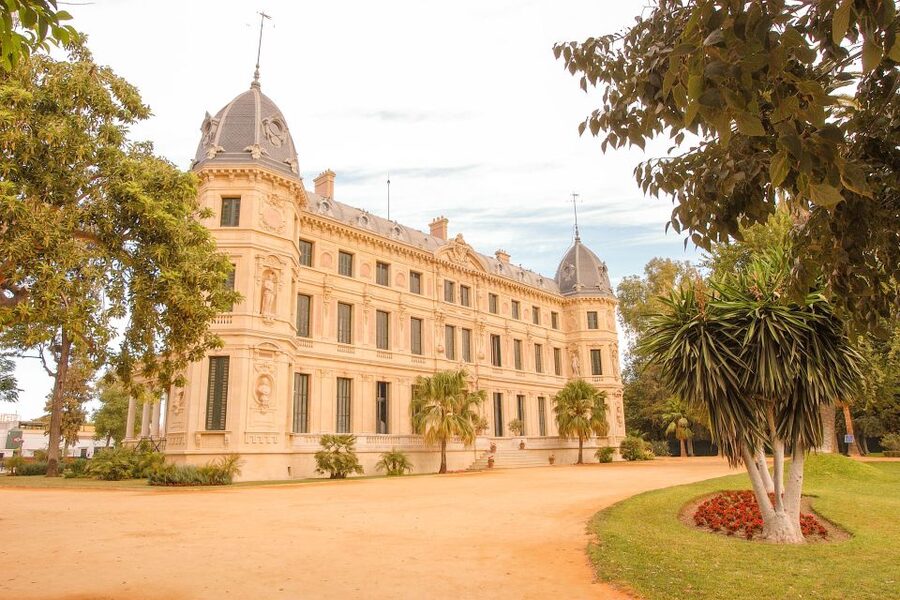
The palace was designed by Charles Garnier, the architect associated with Paris’s Opéra Garnier. Here, his 19th-century design gives the school a formal setting that feels far removed from an ordinary riding center.
The fountain in the center of the gardens is an easy landmark and a pleasant place to pause. Exotic plants line the grounds, and the view toward the palace gives you a sense of the school’s scale.
Inside, you see ground-floor halls decorated in their original style. These rooms add an important layer to the visit. The school is not only a training institution. It also presents equestrian culture through architecture, furniture, costumes, vehicles, and ceremonial objects.
Do not expect a long palace tour. The horse-related facilities and museums are the main purpose of the visit. Still, the palace rooms help explain why the Royal School feels like a cultural institution rather than a simple stable open to the public.
See the equestrian museum’s 11 rooms
The Museum of Equestrian Art occupies the basement and contains 11 rooms devoted to the horse in Andalusia and the origins of equestrian art. This is where the visit shifts from observation to explanation.
Displays cover the development of horse training, the school’s role, equestrian movements, equipment, and the place of the horse in regional culture. Interactive exhibits and video screens make the material easier to follow, especially if you are not already familiar with dressage.
Some video displays may not be working on the day of your visit. That can take away from a few exhibits, but the museum still provides useful background through its rooms and displays. I would not treat it as an optional extra. It gives meaning to what you see in the stable and arena.
Horse lovers can spend a long time here, but you do not need specialist knowledge to enjoy it. The museum explains why the horses move in such controlled ways and how much training goes into apparently simple gestures.
Enter the working stables and central tack room
The stables are arranged in an octagonal complex, with the tack room at the center. This is one of the most appealing parts of the visit because you see the school’s horses in their everyday setting.
The horses are viewed from the designated visitor areas, not handled freely. Some visitors have been able to pat horses during the guided route, but you should not count on personal contact. One fair criticism is that the experience can feel slightly distant when the horses remain behind their stall bars.
Even so, the stables reveal plenty. You can see how carefully the horses are kept and how clean the facilities are. The condition of the animals and the order of the buildings are central to the school’s reputation, and the visit lets you judge that for yourself.
The guides often bring the route to life with practical details. Javi has been praised for answering questions clearly, while Elena has led visitors through the stables and tack room with useful explanations. The guide may be a school employee, which is worth knowing because it can add direct insight into the horses and daily work.
Language options include Spanish, English, French, and German. The exact guide and group arrangement can vary, and some tours may combine people who booked different language options. If clear spoken English matters to you, confirm the schedule at the ticket office rather than assuming the first available tour will be in English.
Same saddle, a different kind of ground:
- Jerez: Yeguada de la Cartuja Carthusian Horses Tour
★ 4.8 · 970 reviews - Tenerife: Horseback Ride with Instructor
★ 4.4 · 836 reviews - Montserrat Monastery & Horse Riding Experience from Barcelona
★ 5.0 · 678 reviews - Almeria: Horse Riding Tour Through the Tabernas Desert
★ 4.9 · 406 reviews
See saddles and harnesses being repaired
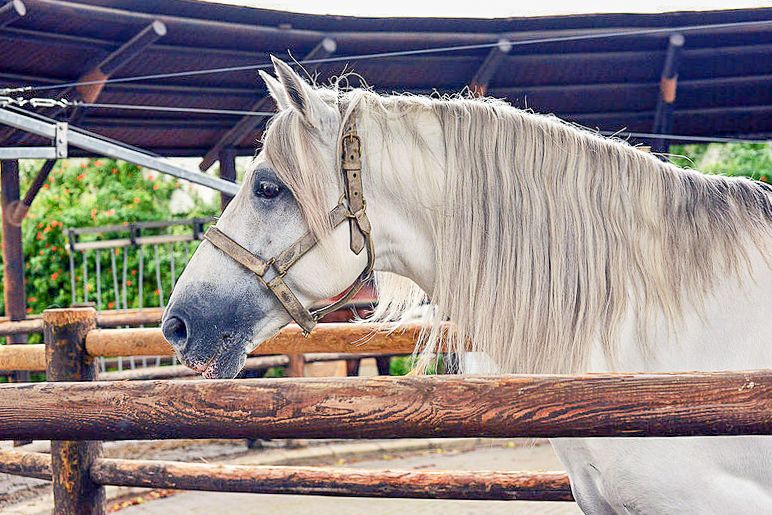
The saddlery is a small but revealing part of the route. Here, the master harness maker and apprentices make and repair the equipment used by the horses.
This work is easy to overlook if you only come for the animals, but it explains the school’s attention to detail. Saddles, bridles, and harnesses must fit correctly, function reliably, and hold up under repeated training and performance. The equipment is not just decoration.
The tack room also has controlled humidity to protect the leather. That detail gives you a glimpse of the care involved in maintaining a large collection of working gear. You are seeing a craft workshop and a storage area, not a theatrical prop room.
The saddlery and tack room are not available on Saturdays according to the scheduled information. If these working areas are a priority, choose another day.
Watch horses and riders train in the arena
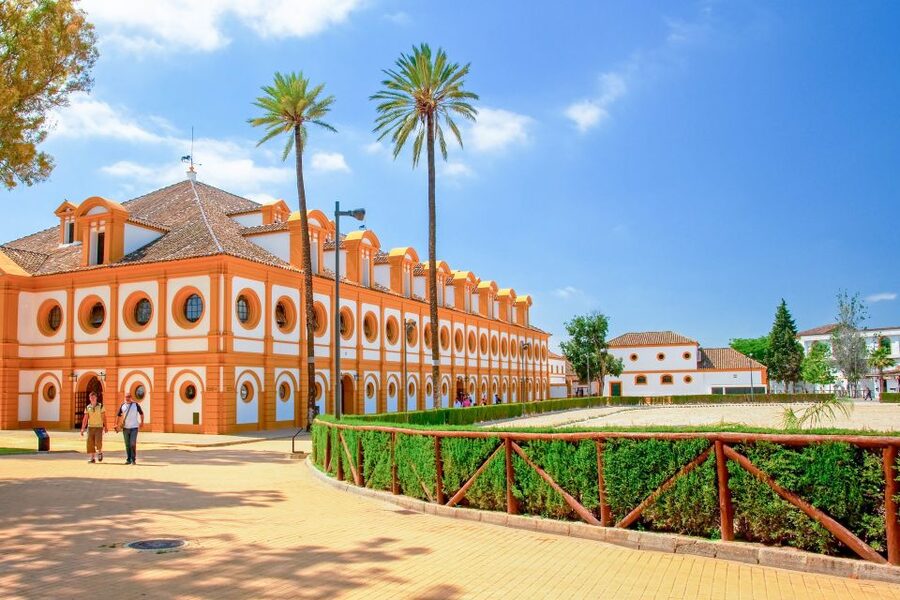
For many people, the training session is the highlight. You may watch horses and riders work in outdoor exercise rings, and you may also see activity in the indoor arena, an Andalusian-style building with seating for 1,600 people.
This is not the full horse show. There may be no music, costumes, or choreographed finale. Instead, you watch the repetition and control behind the finished performance. Riders work with the horses through precise movements, while trainers focus on balance, obedience, and communication.
That quieter setting can be more useful than a show if you want to understand the training itself. You see how much concentration is required from both horse and rider. Even during practice, the horses’ movement is striking.
The arena may have seating where you can watch for a while. One useful tip is to allow time after the guided stable route for additional viewing, if the schedule permits. The training is not guaranteed on Saturdays, and the management can change the program.
Photography restrictions may apply inside the arena. One past visitor was not allowed to take pictures there, so ask before raising your camera.
Finish with the carriage museum
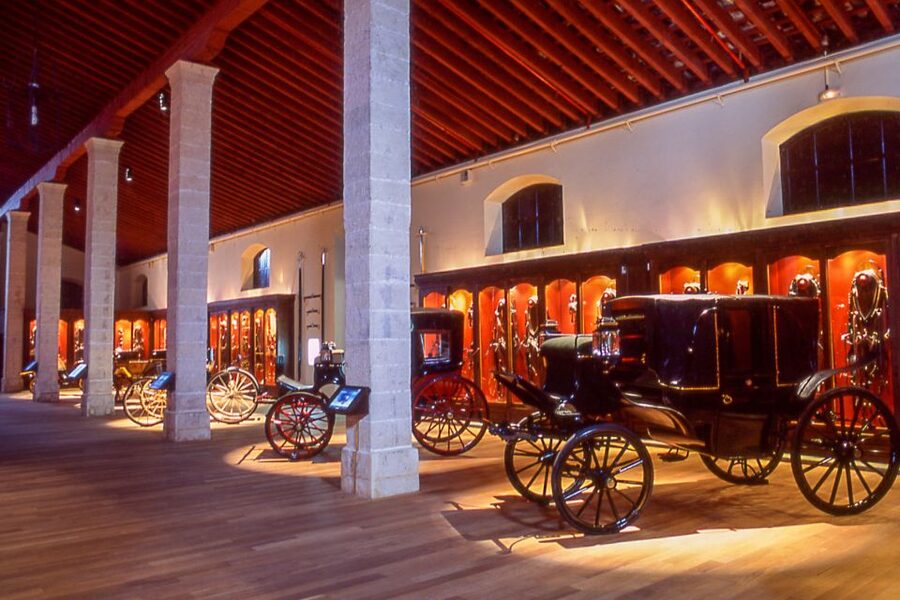
The carriage museum comes at the end of the route. Its collection includes carriages, horses, harnesses, and equestrian costumes.
This final stop helps connect the practical work of the stables with formal transport and ceremony. A carriage is not simply a vehicle in this setting. It brings together horse training, driving skill, leatherwork, metalwork, costume, and presentation.
The museum is a worthwhile finish, but the heat can affect how long you stay. On a hot day, you may be tempted to leave after the stables and main museum. If you can manage it, continue to the carriage collection because it completes the picture of the school’s traditions.
A cafeteria may be closed or offer only a limited selection, depending on the opening schedule. Do not build your visit around getting a meal or snack on site.
How long to allow and when to go
The stated duration is two hours, which is a reasonable target for the guided route and the main displays. If you want to watch more training, read the museum material carefully, and see every building, plan for extra time.
The most important scheduling point is the Saturday exception. Horse training and saddlery visits are listed as unavailable on Saturdays. The school may still offer access to gardens, museums, palace areas, and other facilities, but you will miss some of the working sections that make this admission special.
Morning visits have another advantage. The audiovisual presentation is available until 11:00, while English tours have sometimes started at about 11:15. Exact arrangements can change, so check the available language and start time before you pay.
The program may be altered by management. Training schedules, building access, and presentations can change without notice. Treat the horses and working facilities as the main reason to go, but keep your expectations flexible.
The grounds are wheelchair accessible. You may not enter with bottles, cans, animals, or objects management considers unsuitable.
Is the $18 admission good value?
For $18, I consider this a strong-value cultural visit in Jerez. You are paying for access to a large collection of facilities, not a single room or short demonstration.
The best value comes from combining several experiences:
- A guided look at the stables and tack room
- Access to horse training areas, except Saturdays
- The palace and gardens
- The 11-room Museum of Equestrian Art
- The saddlery and harness-making area, except Saturdays
- The carriage museum
If you only want to watch a polished equestrian performance, this is not the right ticket. The show is a separate experience, and this admission does not promise a performance with the famous choreography.
If you like horses, craft, architecture, museums, or working institutions, the price is easier to justify. You also get more from the ticket if you read the museum displays and spend time observing the training rather than treating the visit as a quick photo stop.
Who should book this visit?
I would recommend it most strongly to horse lovers, people interested in dressage, and anyone curious about how a major equestrian school operates day to day. Families can find plenty to look at, though young children may lose patience during the museum sections.
It also suits visitors who want a cultural stop in Jerez beyond sherry bodegas and historic streets. The palace, gardens, carriages, costumes, and regional horse traditions give you a broader view of Andalusian culture.
You may want to skip it if your schedule is very tight, you can visit only on Saturday, or you specifically want the horse show. In those cases, the admission may not deliver the part you most want.
Book with free cancellation up to 24 hours before the visit if your plans remain uncertain. Reserve-and-pay-later is also available. Bring your receipt on paper or on your phone, and confirm the meeting point because it can differ by booking option.
My recommendation
I would book this admission if you want to see the Royal School as a working institution rather than only as a performance venue. The horses are impressive, but the real strength of the visit is the combination of stables, training, saddlery, palace rooms, gardens, and museums.
Choose a weekday when possible, arrive early enough to check the language schedule, and allow more than two hours if you want time for the carriage museum. For the full spectacle, book the horse show separately. For a close look at the place behind it, this $18 visit is the better first step.
FAQ
Is the horse show included with this admission?
No. This admission provides access to the school facilities, training areas, museums, palace areas, gardens, stables, and carriage collection. The famous horse show requires a separate booking.
Can I watch the horses train?
Yes, training takes place in the outdoor exercise rings and indoor arena, except on Saturdays. The management may alter the program, so training is not guaranteed at a specific time.
Can I visit on a Saturday?
You can visit the school facilities on a Saturday, but the stated program excludes horse training and saddlery visits that day. Choose another day if those areas are important to you.
What languages are available for the guided tour?
Guided tours are available in Spanish, English, French, and German. Check the starting time and language when booking because schedules can vary.
How long does the visit take?
The stated duration is two hours. You may spend longer if you watch additional training or take your time in the equestrian and carriage museums.
Is the Royal School wheelchair accessible?
Yes, the activity is listed as wheelchair accessible.
What do I need to bring to collect my ticket?
Bring your printed receipt or show it on your mobile at the ticket office. If you bought a discounted ticket, bring proof of eligibility or you may have to pay the difference to the standard ticket price if tickets remain available.
Just added around Spain
- Arcos de la Frontera: Horseback Riding Experience★ 3.5 · 13 reviews
- Andalucia: Horse Riding Tour with Picnic★ 5.0 · 3 reviews
- Almeria: Tabernas Desert Horse Riding for experienced riders★ 4.9 · 14 reviews
- 2 hours Green Mountains Horse Riding Tour★ 4.4 · 22 reviews
- From Seville: Horseback Riding Experience in Aljarafe★ 4.3 · 51 reviews
- Horseback riding around Doñana National Park★ 5.0 · 89 reviews
- Jerez and Cadiz with Horse Ballet and Sherry Tasting from Seville★ 4.5 · 45 reviews
- Horseback riding and wine tour (private tour)★ 5.0 · 9 reviews
Spain Horseback Riding Tours, compared.
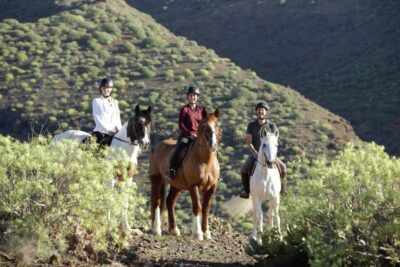
El Salobre: Horse Riding Adventure with Transfer Options
Read our review →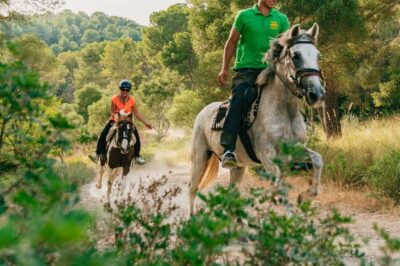
Horseback Riding Experience with Food Options
Read our review →
Montserrat Monastery & Horse Riding Experience from Barcelona
Read our review →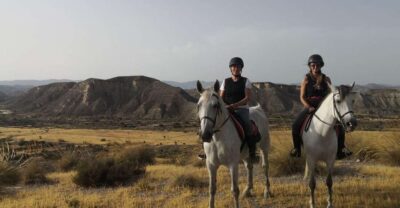
Almeria: Horse Riding Tour Through the Tabernas Desert
Read our review →
The Best Horse Riding Experience in Gran Canaria (2 hours)
Read our review →Browse the lists this tour appears in