
Review · SPAIN
Jerez: Yeguada de la Cartuja Carthusian Horses Tour
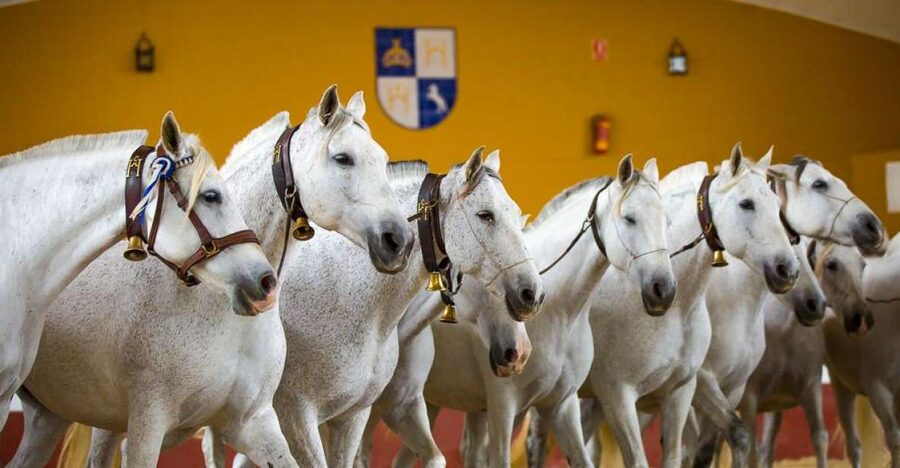
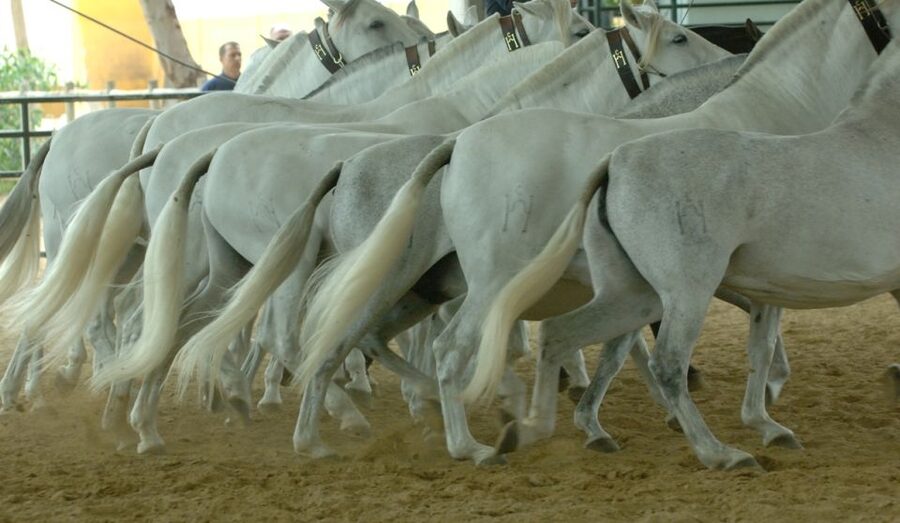
The star of this 2.5-hour visit is the Carthusian horse, a prized Andalusian line bred at Fuente del Suero for centuries. You see the animals at different stages of life, from this year’s foals to powerful stallions, then watch trained horses work through a polished dressage display.
I like the mix of farm access and arena performance. You are not simply seated for a show: the guided visit explains breeding, training, and the bond between mare and colt. I also like the price, about $22 per person, which makes this one of Jerez’s better-value cultural outings. The main drawback is location. The farm is remote, and a taxi can cost far more than the admission.
Key points to know before you go
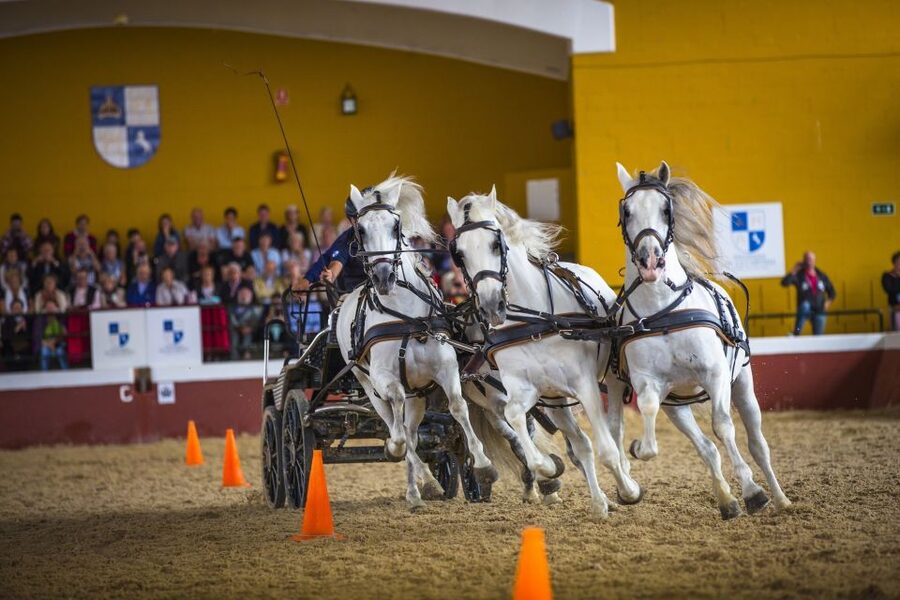
- Carthusian bloodline: Learn why this particular Andalusian strain has been tied to the Carthusian monastery near Jerez since the 15th century.
- Free-running horses: See colts, mares, and stallions outside the arena, not just trained horses under a rider.
- One-hour show: The final exhibition brings together dressage, control, and the striking movement of the horses.
- Strong guides: Guides such as André, Caroline, Linda, and Viv have been praised for clear explanations and warm, engaging presentations.
- Remote setting: Finca Fuente del Suero has parking, but getting there without a car takes planning.
- Good access: The site is wheelchair accessible, and assistance dogs are allowed, though ordinary pets are not.
Why the Carthusian horses matter in Jerez
Jerez is known for sherry, flamenco, and horses, and this visit brings the last of those traditions into clear focus. Yeguada de la Cartuja, also known as Hierro del Bocado, works to preserve and improve the Cartujano line, a branch of the Spanish horse with a long connection to Andalusia.
The setting matters. The stud farm sits at the historic Fuente del Suero estate beside the Monastery of La Cartuja. The fertile ground and local climate helped make the area a center for horse breeding, and the tradition has continued from the 15th century to the present.
You will hear about the Carthusian lineage as the tour moves through the farm. The point is not simply that these are handsome horses. You learn how breeding choices, care, and training protect a distinct line. The farm has more than 200 horses, so the visit feels tied to an active breeding program rather than a small display built only for tourists.
I find that context important. A dressage show can be beautiful on its own, but it means more when you understand why these horses are bred, how they are raised, and what the farm hopes to preserve.
More Horseback Riding Tours in Spain:
- El Salobre: Horse Riding Adventure with Transfer Options
★ 4.5 · 2,034 reviews - Mallorca: Horseback Riding Experience with Food Options
★ 4.6 · 1,424 reviews - Jerez de la Frontera: Andalusian Horse Dance and Museums
★ 4.7 · 1,289 reviews
The farm tour: foals, mares, and stallions
The visit begins at the ticket office at Finca Fuente del Suero. After checking in, you join a guided group in your selected language. English, Spanish, and German are offered, and the quality of the guide can shape the whole experience.
Several guides have received especially warm praise. André is described as friendly and entertaining, while Caroline kept the group involved with clear explanations about breeding, foals, and the relationship between a mare and her young. Linda has also led an effective English-language tour, and Viv was remembered for an excellent presentation.
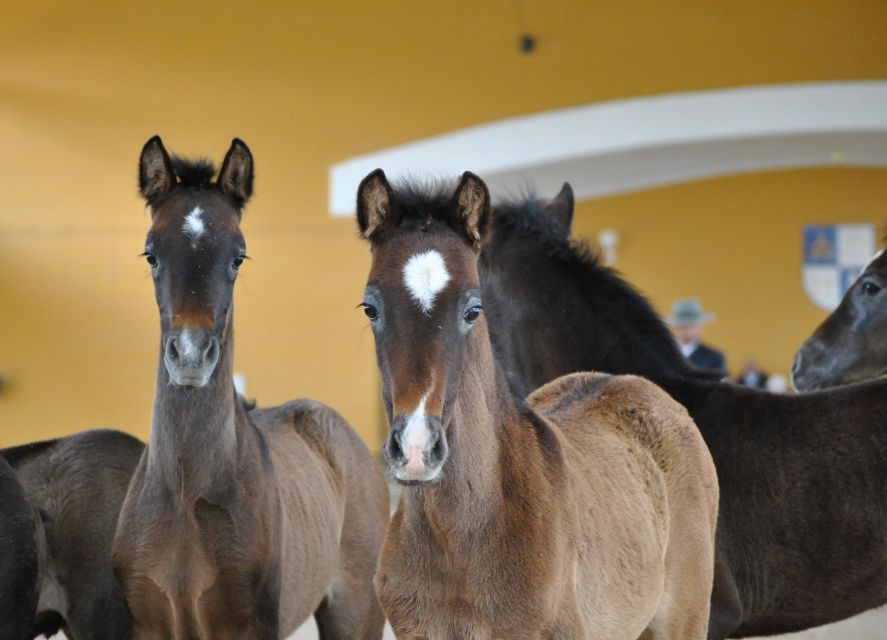
The farm walk introduces the horses in stages. You may see young colts and mares moving freely, followed by stallions in their own area. This is a useful contrast with the later show. At the farm, you are looking at horses as living animals with different ages, roles, and temperaments. In the arena, you see what careful training can produce.
The foals are a special part of the visit. Seeing this year’s young horses beside their mothers helps explain the breeding program in a direct way. The relationship between mare and colt is not an abstract point in a lecture. It is right in front of you.
Some visits also allow close contact, including time to stroke the horses. You should not assume every moment will be hands-on, but the experience is designed to bring you close to the animals. Wear comfortable clothes and shoes, since you will be walking around a working farm rather than a city museum.
The guides also make room for questions. That is useful if you know little about horse breeding. You do not need to arrive as a rider or expert to follow the tour. The information covers the history of the breed, the breeding process, the care of mares and foals, and the work involved in training.
The arena show and its hour of dressage
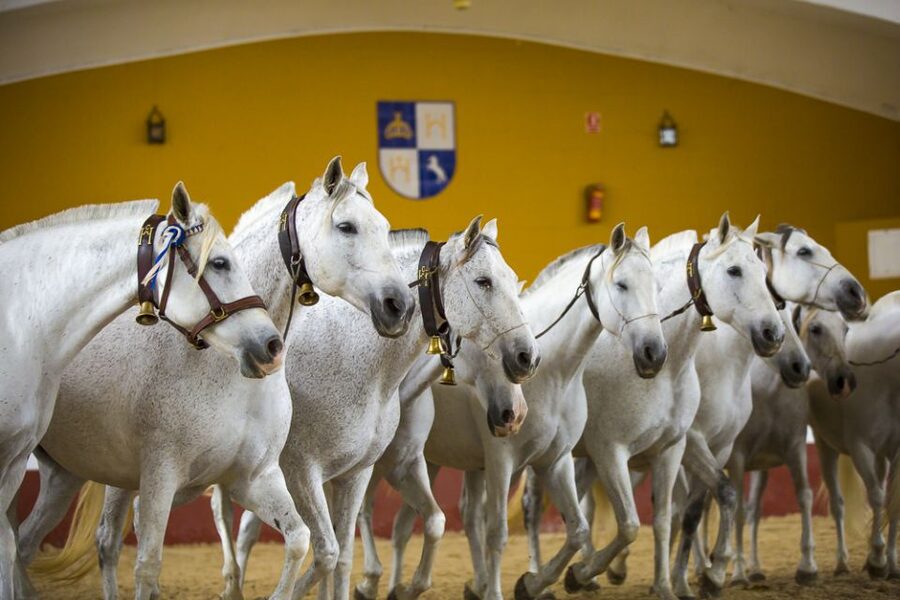
The farm visit leads to the main arena exhibition. The show lasts about an hour, making it a substantial part of the overall experience rather than a short add-on.
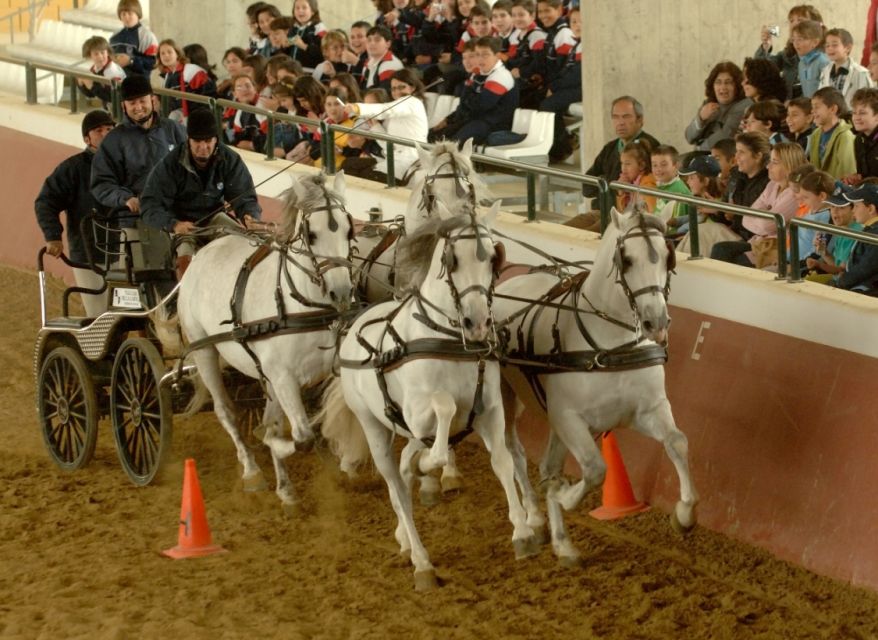
Here you see the horses under direction, performing dressage movements that show their balance, obedience, strength, and control. The performance is formal and carefully arranged, but its appeal comes from the horses themselves. Their size and grace are easy to appreciate even if you know little about riding.
The show also gives you a break after the outdoor portion, particularly in warm weather. One visitor noted that sitting down in the arena was welcome after time in the sun. Bring comfortable clothing and plan for the conditions on the day.
Seat position can affect the experience. The ticket office assigns a section and seat number, and one person found that a side section had a poor view despite more central seats being empty. You may not be able to change places once the show starts, so check your seat when you receive your ticket and ask staff if there is a question before entering the arena.
The presentation is praised for its polish, but it is not only a technical display. The best part is the connection between the earlier farm tour and the show. You first see the horses as breeding stock, mothers, foals, and stallions. Then you see selected horses respond to riders and trainers in a controlled performance.
How much time to allow
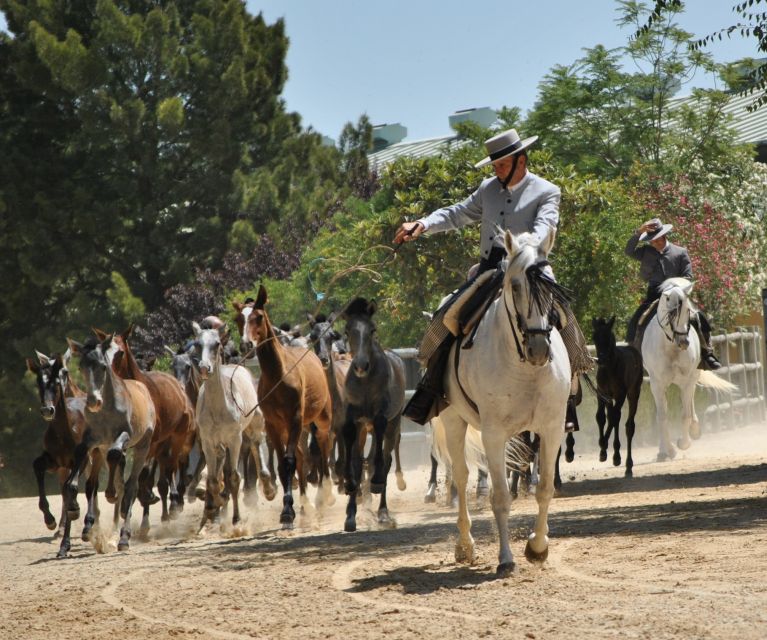
The advertised duration is 2.5 hours. Some descriptions divide that time into about one hour for the farm tour and one hour for the show, with the remaining time covering movement between areas, arrival, and transitions.
That makes this a manageable half-day activity. You can fit it into a Jerez visit without giving up an entire day, but the remote location adds travel time. If you are coming from Cádiz, the outing can take longer than the listed 2.5 hours because of the journey to and from the farm.
Several people have treated it as a morning or afternoon excursion. One visit from a cruise port involved a taxi ride of about 40 minutes each way, with the driver waiting during the tour. That can be practical, but it is also expensive. Another visitor paid about $50 for taxi travel to and from Jerez.
The farm has plenty of parking, so a rental car is the simplest choice for many independent visitors. Use care with navigation. The finca can be hard to find, and one driver was sent toward the wrong place by a satellite navigation system. Follow the meeting-point information carefully and allow extra time.
There is no transportation included in the $22 admission. That low ticket price is appealing, but your real cost depends on how you reach the farm.
Same saddle, a different kind of ground:
- Jerez: Royal Andalusian School of Equestrian Art Admission
★ 4.6 · 882 reviews - Tenerife: Horseback Ride with Instructor
★ 4.4 · 836 reviews - Montserrat Monastery & Horse Riding Experience from Barcelona
★ 5.0 · 678 reviews - Almeria: Horse Riding Tour Through the Tabernas Desert
★ 4.9 · 406 reviews
Is the $22 price good value?
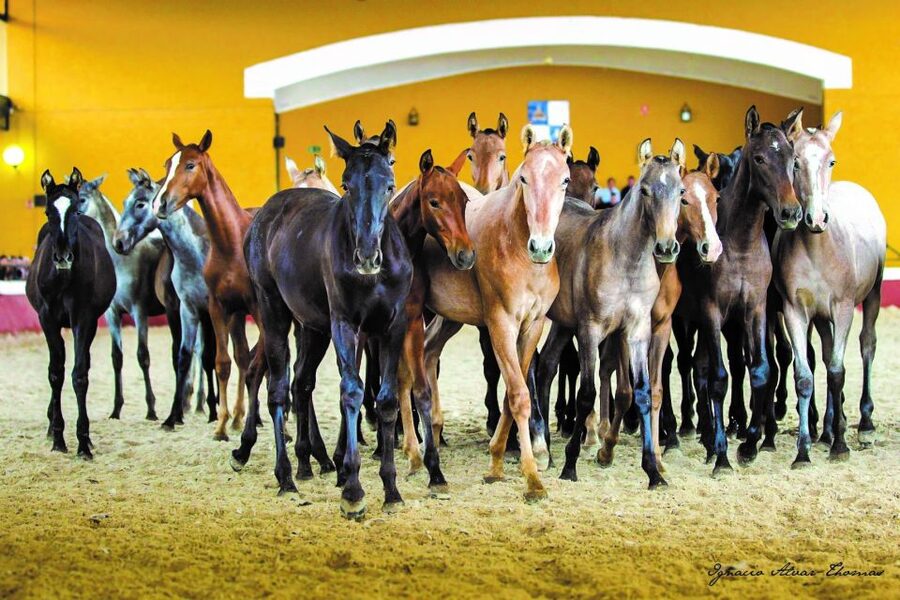
At around $22 per person, I consider this a strong-value activity if you have any interest in horses, Spanish traditions, or working farms. The price includes the guided tour and the arena exhibition, which together fill a useful 2.5 hours.
You are not paying only for a seat at a performance. The tour adds the breeding story, the farm setting, and access to horses at different stages of life. The inclusion of the foals is especially valuable for families and anyone curious about how a stud farm operates.
The costs to watch are outside the ticket. Transportation is not included, nor are food and drinks. There is a gift shop, and it can become crowded at the end. One person had to leave clothing purchases behind because the queue was too long and a waiting ride could not stay.
Horse riding is also not part of the visit. This is a viewing, learning, and performance experience. If you want to ride, you need a different activity.
Who will enjoy this visit most?
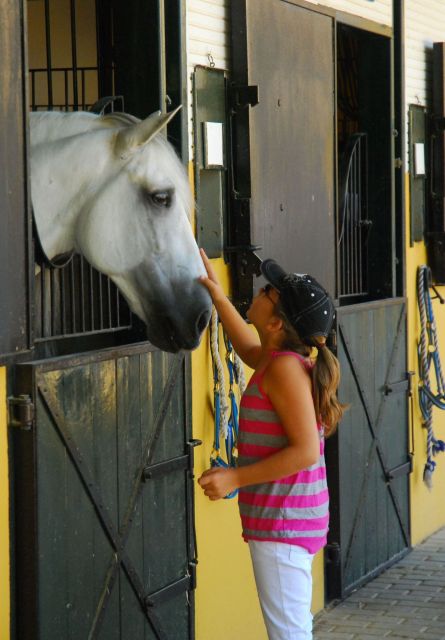
Horse lovers should put this high on their Jerez list. The chance to see free-running horses, mares with foals, stallions, and trained performers gives the visit more range than a standard arena show.
Families can enjoy it too. The tour has been described as child-friendly, although one person felt the full program could be shortened for younger children. Very young children may find the walking, explanations, and formal show a little long. Older children with an interest in animals should have plenty to hold their attention.
You do not need riding experience. The guides explain the basics clearly, and the tour works for people who simply admire horses or want a different view of Andalusian culture. Several people who knew little about breeding found the explanations easy to follow.
This may be less suitable if your schedule is tight or if you dislike arranging rural transport. The farm is not a casual walk from central Jerez, and the return journey needs as much attention as the trip out.
Language, access, and practical comfort
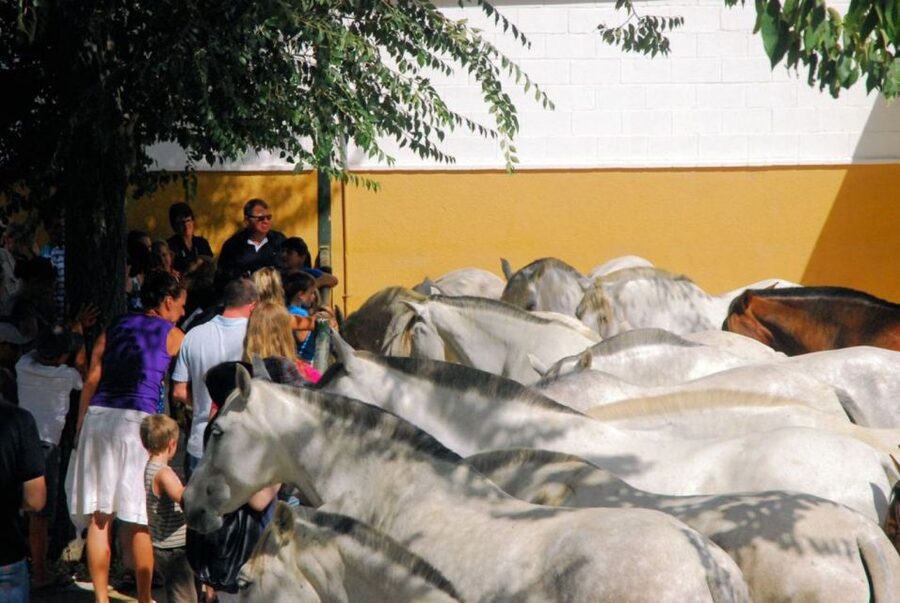
Live guiding is available in Spanish, English, and German. If language matters to you, confirm the group and listen for the call at the start. One person missed the English group being called and joined the German tour instead, while another arrived late after being directed to the wrong place.
The farm is wheelchair accessible, and staff have been praised for helping a wheelchair user. That is a real strength, though outdoor farm conditions can still require care. Ask staff for help if a particular path or viewing area is difficult.
Wear comfortable shoes and clothing. You may walk around the farm, spend time outside, and then sit in the arena. A face mask or protective covering is listed among the items to bring, so check the current instructions before setting out.
Pets are not allowed, except for assistance dogs. Do not plan to bring a regular dog for the day.
The tour is generally well organized, but arrive with enough time to find the ticket office and get your group number. The ticket also includes a seat number for the show. Checking both details early can prevent confusion.
How this compares with other Jerez horse shows
Jerez has more than one way to see Andalusian horses. Some shows focus almost entirely on choreographed riding. Yeguada de la Cartuja offers a broader visit because the farm tour comes first.
That extra hour changes the feel of the outing. You learn about the Carthusian line, see untrained young horses and breeding mares, and gain a better sense of the work behind the performance. The show then becomes the final chapter rather than the entire story.
The trade-off is that the farm requires a trip outside town. If you want a quick central attraction, this is not the easiest choice. If you want an authentic setting and a closer look at breeding, the extra effort pays off.
I also appreciate that the program presents the horses as animals in care, not just performers. The farm’s focus on preserving the breed, combined with the opportunity to see mothers and foals, gives the visit a more grounded feel.
Should you book Yeguada de la Cartuja?
Book it if you want to understand Andalusian horses rather than simply photograph them. The combination of a working stud farm, free-running horses, young foals, live guiding, and a one-hour dressage show gives you plenty for the price.
I would be more cautious if you have no time for a rural transfer, dislike organized group visits, or expect to ride. I would also arrange transport before booking, since that is the one practical issue most likely to spoil an otherwise smooth outing.
For horse lovers, families with older children, and visitors seeking a distinctly Jerez experience, this is an easy recommendation. The admission is modest, the program has real substance, and the final arena display gives the visit a memorable finish.
FAQ
Where is Yeguada de la Cartuja located?
The farm is at Finca Fuente del Suero near Jerez in Andalusia, beside the Monastery of La Cartuja.
How long does the experience last?
The full experience lasts about 2.5 hours.
What does the ticket include?
The ticket includes a guided farm tour and the exhibition in the main arena.
Is transportation included?
No. You must arrange your own transportation to Finca Fuente del Suero.
Is parking available?
Yes. The farm has plenty of parking space.
Which languages are available?
Live guides are available in Spanish, English, and German.
Can I ride a horse during the visit?
No. Horse riding is not included.
Can I bring food or drinks?
Food and drinks are not included in the experience.
Are pets allowed?
Ordinary pets are not allowed. Assistance dogs are permitted.
Is the farm wheelchair accessible?
Yes. The experience is listed as wheelchair accessible, and staff have assisted wheelchair users.
What should I wear?
Wear comfortable shoes and comfortable clothing. A face mask or protective covering is also listed among the recommended items to bring.
Just added around Spain
- Arcos de la Frontera: Horseback Riding Experience★ 3.5 · 13 reviews
- Andalucia: Horse Riding Tour with Picnic★ 5.0 · 3 reviews
- Almeria: Tabernas Desert Horse Riding for experienced riders★ 4.9 · 14 reviews
- 2 hours Green Mountains Horse Riding Tour★ 4.4 · 22 reviews
- From Seville: Horseback Riding Experience in Aljarafe★ 4.3 · 51 reviews
- Horseback riding around Doñana National Park★ 5.0 · 89 reviews
- Jerez and Cadiz with Horse Ballet and Sherry Tasting from Seville★ 4.5 · 45 reviews
- Horseback riding and wine tour (private tour)★ 5.0 · 9 reviews
Spain Horseback Riding Tours, compared.
El Salobre: Horse Riding Adventure with Transfer Options
Read our review →
Horseback Riding Experience with Food Options
Read our review →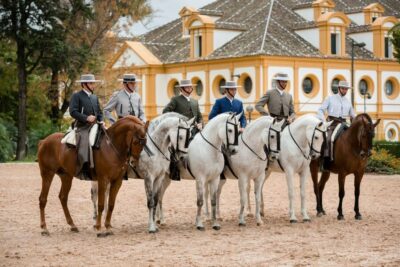
Royal Andalusian School of Equestrian Art Admission
Read our review →
Montserrat Monastery & Horse Riding Experience from Barcelona
Read our review →
Almeria: Horse Riding Tour Through the Tabernas Desert
Read our review →
The Best Horse Riding Experience in Gran Canaria (2 hours)
Read our review →Browse the lists this tour appears in