
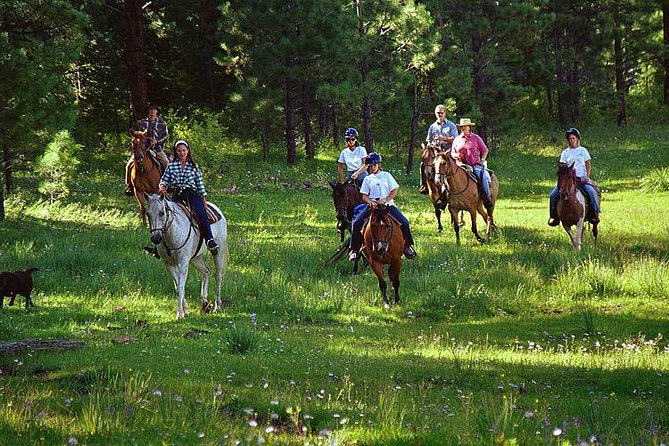
Review · CUSCO
Horseback Riding Plus Tour to Sacsayhuaman, Quenqo, Puka Pucara and Tambomachay
The best part of this half-day outing is the change of pace. You visit four major Inca sites by private car, then trade the van for a horse and ride through high mountain country near Cusco. The horses are chosen to fit your experience, and beginners can ride at an easy pace while confident riders may get a chance to move faster.
I like the clear mix of archaeology and outdoor activity, and I like that guides such as Benny, Jenny, and Hogler are praised for explaining Inca history in plain, engaging English. The main drawback is simple: horseback riding takes about one hour to 1.5 hours, not most of the four-hour tour, and the archaeological entrance ticket costs extra.
Key points to know before booking
- Four important Inca sites: Sacsayhuaman, Qenqo, Puka Pukara, and Tambomachay are all included.
- Riding time is limited: Expect roughly one hour to 1.5 hours on horseback, with the rest spent visiting sites and riding in the car.
- Good for first-time riders: Horses are matched to ability, and the pace follows the least experienced rider.
- Mountain views are a major reward: The trail passes open highland scenery, fields, and smaller ruins.
- Bring the right gear: Wear long pants and closed shoes with rubber soles, and carry a rain jacket if wet weather is possible.
- Budget for admission: The Cusco Tourist Ticket or archaeological entrance fees are not included.
A smart way to see Cusco’s nearby ruins
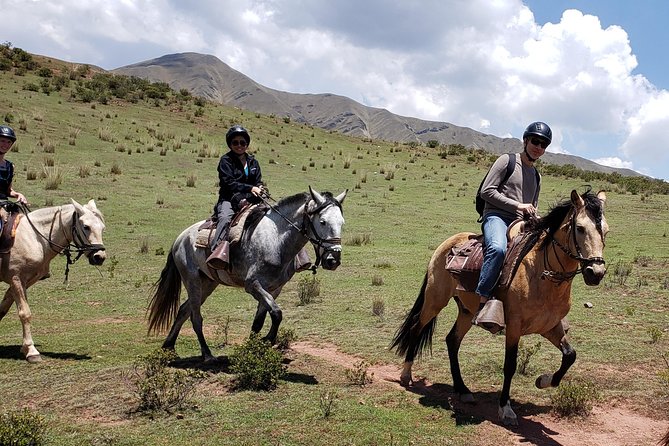
Cusco’s most famous sights are spread across the hills north of the city. You can visit them by taxi, bus, or standard sightseeing tour, but this outing adds a short horseback ride through the same highland setting. That extra activity gives the day a more physical and rural feel without requiring a long trek.
The arrangement is practical. A private car picks you up at your hotel, takes you between the archaeological sites and the ranch, and returns you to Cusco afterward. You are not expected to ride between every ruin. In fact, horses are not taken into the main archaeological areas because their hooves could damage the ground.
That point matters when you decide if this tour is right for you. Think of it as a history tour with a horseback-riding segment, not a four-hour riding expedition. The total activity lasts about four hours, while riding itself takes roughly one hour to 1.5 hours, depending on the day’s schedule.
The tour has a maximum of 15 people, and round-trip transport is by private car. Mineral or natural water is included, along with a guide, saddle, helmet, and a muleteer who helps care for the horses.
More Horseback Riding Tours in Cusco:
- Cusco: 3-Hour Horse Riding Tour to the Temple of the Moon
★ 5.0 · 105 reviews - Cusco: Half-Day Horseback Riding at Devil’s Balcony
★ 4.9 · 89 reviews - Horse Riding Chacan Mountain And Temple Of The Moon
★ 5.0 · 78 reviews
Sacsayhuaman: Cusco’s great stone gateway
Sacsayhuaman is usually the most dramatic stop. The site sits above Cusco and is known for enormous, carefully fitted stones, broad open terraces, and wide views across the surrounding mountains. It gives you a quick sense of the scale and skill behind Inca construction.
Your guide explains the site’s role, architecture, and religious customs. This is where a strong guide makes a real difference. Guides including Benny and Hogler have been praised for handling detailed questions and making difficult subjects easier to understand. If you enjoy asking how the stones were shaped, why the walls were built in a zigzag pattern, or how the site related to Cusco, this is a good place to speak up.
Allow yourself time to look beyond the biggest stones. The open setting helps you understand how the Incas used terraces, slopes, and elevated viewpoints together. It is also one of the best places on the route for mountain scenery.
Sacsayhuaman can feel busy at popular times, and the ground is uneven in places. Wear shoes with a good sole, especially if rain is possible. You will also be at high altitude, so a slower pace is sensible even if you are normally fit.
Puka Pukara: a small fortress with a wide view
Puka Pukara is smaller than Sacsayhuaman, but it adds an important piece to the route. Its name is often translated as Red Fortress, and its position above the old road system helped it serve as a lookout and stopping point.
The site is especially easy to appreciate because of its setting. From here, you can see the folds of the highlands and understand why the Incas placed structures on elevated ground. Your guide connects the stonework to movement, communication, and the wider network around Cusco.
This stop is not as grand as Sacsayhuaman, so it works best as part of the sequence rather than as a stand-alone attraction. The advantage of visiting it with a guide is that the walls and terraces become easier to read. Without context, you might walk through quickly and miss how its location helped control the approach to Cusco.
Tambomachay: water, ritual, and quiet stonework
Tambomachay is associated with water, springs, and ceremonial use. Channels and carefully built stone features show the Inca interest in moving and presenting water with precision. The site offers a quieter contrast to the larger ruins.
Your guide discusses the religious customs tied to the place and explains why water mattered so much in Inca belief and daily life. This is one of the stops where interpretation adds most of the value. The remains are not huge, but the setting and water features invite you to look closely.
Tambomachay is also near Puka Pukara, so the two stops fit naturally into one section of the drive. If you have already visited several large ruins in Peru, this smaller site may be especially rewarding because it shows a different side of Inca planning.
Same saddle, a different kind of ground:
- Horseback Tour in cusco to Temple of the Moon & Hidden temples
★ 5.0 · 54 reviews - Half day Horseback Riding tour around Sacsayhuaman park
★ 5.0 · 37 reviews - Cusco: Rainbow Mountain Horseback Riding Tour + lunch
★ 4.1 · 10 reviews - Rainbow mountain horseback riding tour + Buffet Lunch
★ 3.8 · 9 reviews
The Vieja Estancia Ranch and the ride itself
At the ranch, you meet the horses, receive a saddle and helmet, and get matched with a mount suited to your experience. The operation is designed for people with little or no riding experience, while experienced riders can ask for a more active pace when conditions allow.
The horses are described as well cared for and calm, and the riding guide adjusts the pace to the least confident person in the group. That is good news for families or mixed groups. You will not be pushed into a fast ride simply because someone else has more experience.
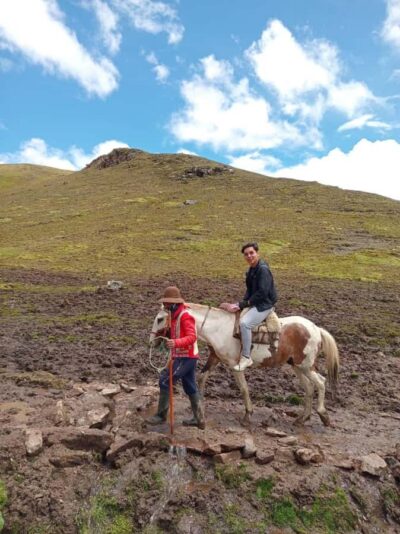
The route passes through open mountain scenery, sheep fields, and areas with smaller ruins. The views are the real prize. You get a different perspective on the highlands from horseback, with the trail providing a close look at the countryside between the better-known archaeological sites.
The ride can include a trot from time to time. If this is your first ride, tell the guide clearly how you feel. The tour is suitable for beginners, but even a gentle trot uses different muscles from walking. Long pants help prevent rubbing, and closed shoes with rubber soles offer better control and comfort than sandals.
Do not wear jewelry or bring valuables on the ride. Carry only what you need, and use sunscreen even if the sky looks cloudy. Cusco’s high-altitude sun can be strong, and one guest specifically regretted skipping sunscreen on an overcast day.
Why the guide matters more than the transport
The private car makes the route efficient, but the guide is what turns a series of ruins into a connected lesson. At each site, you get background on Inca history, architecture, religious customs, and the purpose of the structures.
Benny, also written as Benni in some tour details, has been singled out for clear explanations and thoughtful answers. Jenny has also led the tour, and Hogler is noted for his strong grasp of Inca archaeology and history. Names can vary by departure, so you should not assume a particular guide is guaranteed, but the guiding style described for this experience is an important part of its appeal.
I would especially recommend this tour if you enjoy asking questions. The sites are close to Cusco, yet they cover different themes: military power at Sacsayhuaman, strategic observation at Puka Pukara, water and ritual at Tambomachay, and the wider religious and ceremonial world around Qenqo.
English-language guiding is available, and the guide can adjust explanations for families, couples, or solo visitors. The best guides avoid turning the day into a lecture. They explain what you are looking at, then give you room to notice the stones and scenery yourself.
Qenqo and the final archaeological stop
Qenqo, sometimes written Q’enqo, is a rocky ceremonial site with carved stone surfaces, channels, and interior spaces. Its name is linked to the idea of a zigzag, which fits the shapes cut into parts of the rock.
This stop is more intimate than Sacsayhuaman. Instead of broad terraces and giant walls, you spend time looking at carved rock, passages, and details connected with ceremony. It is useful to have a guide here because the meaning of the surviving features is not always obvious at first glance.
The order of the stops can vary. Some schedules place Qenqo before the ranch and others visit it later, but the important point is that you see all four named sites during the outing. The car transfers keep the route practical, while the horseback section provides the outdoor break.
What the $95 price really includes
At $95 per person, this is not the cheapest way to see Cusco’s northern ruins. Similar sightseeing outings may cost less, especially if they do not include horses, private transport, or a dedicated guide.
The price makes more sense if you value the complete arrangement. It covers hotel transport by private car, the guide, horse, saddle, helmet, muleteer, water, and the care involved in operating a small riding program. You are paying for transport and coordination as well as the activity itself.
The important extra cost is the Cusco Tourist Ticket or entrance fee for the archaeological sites. That fee is not included, and it is paid separately because the sites are managed by the Peruvian government. Check the current amount before booking and carry enough local currency or the accepted payment method.
Snacks are described among the tour highlights, but the inclusion list specifically confirms water rather than a detailed snack package. If snacks matter to you, ask the provider to confirm what will be supplied. Bringing a small personal snack is sensible for a half-day at altitude.
Who will enjoy this tour most
This is a strong match for families with older children, couples, solo visitors, and anyone who wants culture with a bit of activity. The minimum age is six, and the riding program accepts beginners. The horse matching and steady group pace make it suitable for mixed ability levels.
It is also a good fit if you have only half a day in Cusco and want to cover several major sites. You get history, scenery, and riding without committing to a full-day trek.
I would choose another experience if your main goal is extended horseback riding. About one hour to 1.5 hours in the saddle will feel short if you expected a full riding day. Likewise, if you want to explore each ruin at your own speed, a private walking tour may give you more control.
The weight limit is 200 pounds, or 90 kilograms. The guide carries a first aid kit for emergencies, but is not authorized to provide medication outside the normal limits of first aid. Keep that in mind if you have medical needs and plan accordingly.
Clothing, weather, and cancellation rules
Wear long pants, preferably jeans, and closed walking shoes or riding shoes with rubber soles. Bring a rain jacket if the forecast gives a meaningful chance of rain. Weather can change quickly in the mountains, and the ride requires suitable conditions.
The experience may be canceled because of poor weather. In that case, you can choose another date or receive a full refund. You can also cancel for a full refund if you do so at least 24 hours before the start time. Cancellations or changes inside 24 hours are not refunded or accepted.
Confirmation is provided when you book, and the meeting area is near public transportation, although hotel pickup and return by private car are part of the service.
Should you book it?
Book this tour if you want a well-organized half-day that combines four Inca sites with a scenic, beginner-friendly ride. The strongest reasons are the quality of the historical explanations, the mountain views, and the careful matching of horses to riding ability.
Skip it if you expect several hours on horseback or if paying the archaeological entrance fee separately will frustrate you. Go in with the right picture: about four hours total, roughly one hour to 1.5 hours riding, and the rest focused on Cusco’s remarkable ruins.
For most visitors who want more than a standard van tour, the combination is worthwhile. Wear practical clothes, use sunscreen, confirm the admission cost, and tell the guide your riding experience at the ranch. You will then be set up for a comfortable and useful introduction to the hills around Cusco.
FAQ
How long does the tour last?
The tour lasts approximately four hours.
How long is the horseback ride?
The horseback-riding portion lasts about one hour to 1.5 hours, depending on the day’s schedule.
Which archaeological sites are included?
The tour visits Sacsayhuaman, Qenqo, Puka Pukara, and Tambomachay.
Is the archaeological entrance ticket included?
No. The Cusco Tourist Ticket or entrance fees are not included and must be paid separately.
Is horseback riding experience required?
No. The activity is suitable for people with little or no riding experience, and horses are matched to ability.
What is the minimum age?
The minimum age is six years old.
Is there a weight limit?
Yes. The maximum weight is 200 pounds, or 90 kilograms.
What happens if bad weather cancels the tour?
You can choose a different date or receive a full refund if the experience is canceled because of poor weather.
Just added around Cusco
- Half day Horseback Riding tour around Sacsayhuaman park★ 5.0 · 37 reviews
- Temple of the Moon Horseback Riding Tour with Transfer★ 4.5 · 2 reviews
- Cusco: Rainbow Mountain Horseback Riding Tour + lunch★ 4.1 · 10 reviews
- Rainbow mountain horseback riding tour + Buffet Lunch★ 3.8 · 9 reviews
- Rainbow mountain horseback riding tour + Buffet Lunch★ 4.1 · 7 reviews
- FULL DAY| MOUNTAIN OF COLORS ON HORSEBACK★ 5.0 · 4 reviews
- Cusco: Devil’s Balcony Horseback Ride★ 5.0 · 2 reviews
- Cusco: Hidden Incan Temples Full-Day Horseback Riding Tour★ 5.0 · 2 reviews
Cusco Horseback Riding Tours, compared.
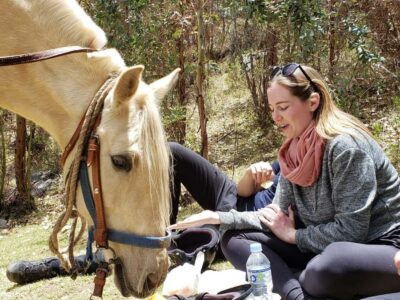
3-Hour Horse Riding Tour to the Temple of the Moon
Read our review →
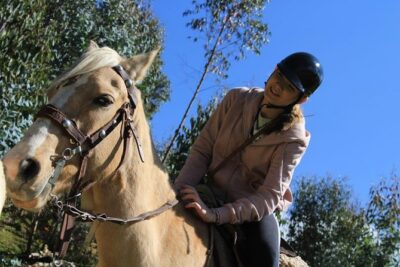
Horse Riding Chacan Mountain And Temple Of The Moon
Read our review →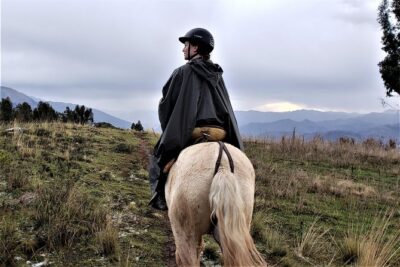
Horseback Tour in cusco to Temple of the Moon & Hidden temples
Read our review →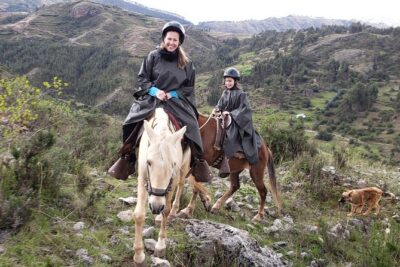
Half day Horseback Riding tour around Sacsayhuaman park
Read our review →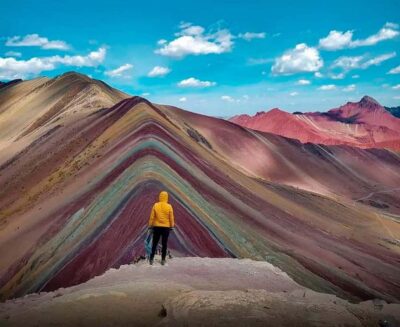
Rainbow mountain horseback riding tour + Buffet Lunch
Read our review →Rainbow mountain horseback riding tour + Buffet Lunch
Read our review →Browse the lists this tour appears in