

Review · CHINA
Eat Your Way Through Yunnan’s Tea & Horse Road, from Dali to Lijiang, 8-day Trip
Yunnan’s old Tea Horse Road is best understood one meal at a time. This eight-day trip links Dali, Xizhou, Shaxi, Tiger Leaping Gorge, and Lijiang through local food, market visits, and family-run restaurants, rather than rushing from one famous sight to another. You may eat rice noodles at breakfast, fried cheese at a street stall, and a Naxi family meal by night.
I like the small maximum group of 10, which makes market visits and shared meals far easier than they would be with a big coach group. I also like the mix of food and movement: biking near Shaxi, an optional gorge hike, old-town walks, and a hands-on cooking class. The main caution is price. At $2,200 per person, this is a substantial spend, and the food-heavy schedule may not suit anyone who prefers free time or simple meals.
Key points at a glance
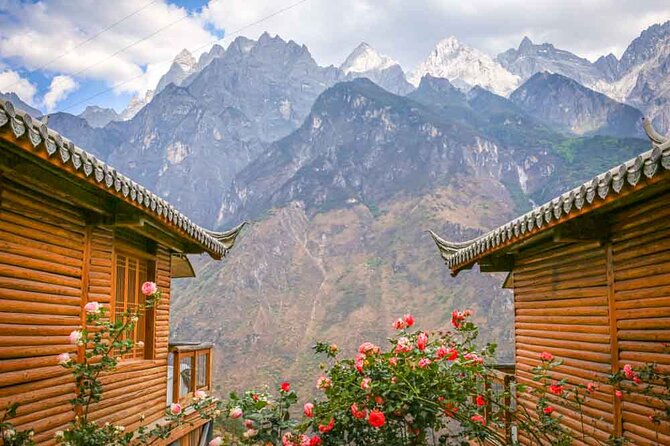
- Seven nights in boutique guesthouses: You get authentic-style lodging with Western amenities, including a private villa overlooking Tiger Leaping Gorge.
- Food is the backbone: Meals include rice noodles, Xizhou Baba, local fish, fried cheese, Naxi dishes, hotpot, cured meats, and market-selected specialties.
- The cooking class is practical: You shop at Lijiang’s oldest market, then prepare three dishes with a traditional Naxi family.
- Shaxi gets proper time: Instead of a quick stop, you spend a full day exploring its lanes, cafés, countryside, and mountain café.
- Tiger Leaping Gorge adds scale: The viewing deck is included, and a moderately difficult 3.5-hour hike is available for those who want it.
- Nearly everything is bundled: Transport, guide, meals listed in the schedule, drinks with meals, bicycle use, entrance fees, and airport transfers are included.
Why this Yunnan trip works best for food-first explorers
This is not a standard sightseeing circuit with a few restaurant stops added on. The daily plan uses food to open doors into Yunnan life. You visit markets before eating, see how Xizhou Baba is baked, cook with a Naxi family, and eat dishes chosen around what is available locally.
That approach matters in Yunnan, a province with many ethnic groups and strong regional cooking traditions. Dali brings Bai and Dai influences. Xizhou has its own famous baked bread. Shaxi offers countryside cooking and old caravan-town character. Around Lijiang, Naxi food takes the lead.
You should expect shared dishes rather than individually plated Western meals. This is useful if you enjoy trying several things at one sitting. It is less convenient if you have strict dietary needs, though the supplied information does not specify dietary accommodations, so ask before booking.
The small group is a real advantage. Ten people is still enough for lively meals, but small enough to fit into local eateries and move through market lanes without a slow procession. Guides named on past departures include Daisy, Ruixi, Alison, Brian, Evon, and Longjiao. The guide is important here, since the value comes from knowing which modest-looking shop or stall is worth your time.
More Day Trips in the world:
- Akrotiri: Guided Horseback Riding Day Trip to a Beach
★ 4.9 · 477 reviews - From Marrakech: Essaouira day Trip with camel, horse & quad
★ 4.7 · 205 reviews - Horseback Riding and Cotopaxi National Park Day Trip
★ 5.0 · 36 reviews
Dali begins with rice noodles and street food
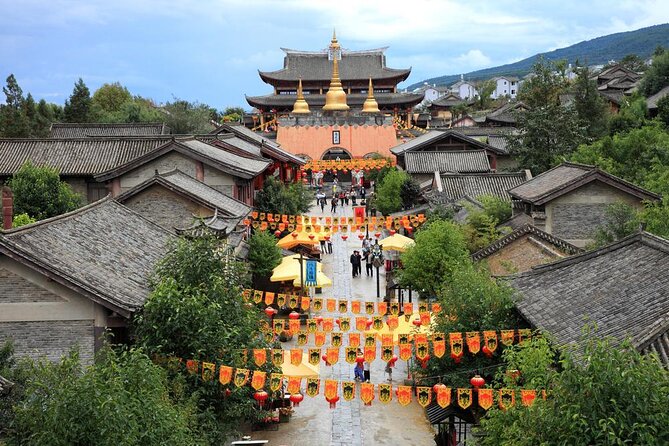
The first evening starts in Dali Ancient Town with a walking food tour lasting about four hours. You may try locally made rice noodles, fried cheese, street snacks, and a large Dai minority feast served on a communal platter.
This opening is smart. Rather than spending the first night finding your bearings alone, you begin with a broad taste of the region. The meal also sets the tone: expect several small discoveries instead of one formal dinner.
Dali Ancient Town can be busy and commercial in parts, but the food walk is designed to take you toward places easily missed on a casual stroll. Bring an appetite, and do not fill up too early. The schedule has enough variety that the evening is more like a progressive meal than a single stop.
The next morning moves to an area still popular with local residents. You’ll have a regional breakfast, walk through a market spread across narrow lanes, and then have free time in Dali before a Bai minority lunch.
That free time is welcome. The itinerary is full, and Dali is better when you have a little room to wander without being called back every few minutes. After lunch, the group heads to Xizhou for check-in and dinner.
Xizhou brings bread, old lanes, and a serious dinner
Xizhou is a smaller village with cobbled streets, wooden buildings, and distinctive local architecture. Its signature food is Xizhou Baba, a freshly baked bread with either savory pork or sweet rose paste inside.
You do not simply eat it and move on. You see how it is prepared and baked in a traditional charcoal oven. That small detail turns a snack into a useful lesson about place. Xizhou Baba is tied closely to this village, so it gives you something more memorable than a generic pastry.
Dinner in Xizhou is another large local meal. The listed dishes include freshly caught fish, local chicken with chili and rice cakes, plum-fried pork, and eggs with jasmine flower. Menus can change with the market, which is a benefit for freshness but means you should not expect every dish to appear exactly as described.
The following day includes lunch at a restaurant beside Erhai Lake, with local shrimp, fish, and other regional dishes. The setting gives the meal a change of pace, though the food remains the focus.
One practical point: the itinerary descriptions use long time blocks, such as 12 hours in Xizhou and more than a day around Shaxi. Treat these as general schedule markers rather than exact touring hours. Your guide will manage the daily movement.
Shaxi deserves its own full day
Shaxi is one of the strongest parts of the trip because you do not see it through a bus window and leave. After checking in, you have free time in the old village before dinner at a family courtyard restaurant.
The meal may include pork-stuffed lima beans, cured meats, fried cheese, and other dishes based on that day’s market. This is the kind of dinner where the best choice is usually to let the local selection lead. You are not being asked to decode a long menu on your own.
The next day is deliberately slower. You can visit coffee shops and a bakery, eat hotpot for lunch, and cycle through the countryside. The route includes a stop at a mountainside café and bookshop, followed by another local dinner.
I like this pause in the schedule. Eight days of constant packing, eating, and sightseeing would become tiring. Shaxi provides time to walk, browse, and sit down. The bicycle is included, but the information does not specify the route length or bike type, so ask your guide about the day’s riding before setting expectations.
Shaxi also gives the trip some balance. You are not only collecting dishes. You are seeing how an old settlement connects with its nearby farms and roads, and you have time to notice the wooden buildings and quiet lanes.
More Horseback Riding Tours in the world:
- Punta Cana Zipline Adventure with Buggies and Horseback Riding
★ 5.0 · 5,001 reviews - Luquillo Beach Horse Ride from Carabalí Rainforest Adventure Park
★ 5.0 · 4,762 reviews - Reykjavik: Red Lava Horse Riding Tour
★ 4.8 · 2,383 reviews - Hurghada: Red Sea & Desert Horse Riding Tour with Swimming
★ 4.8 · 2,198 reviews
Tiger Leaping Gorge adds a physical highlight
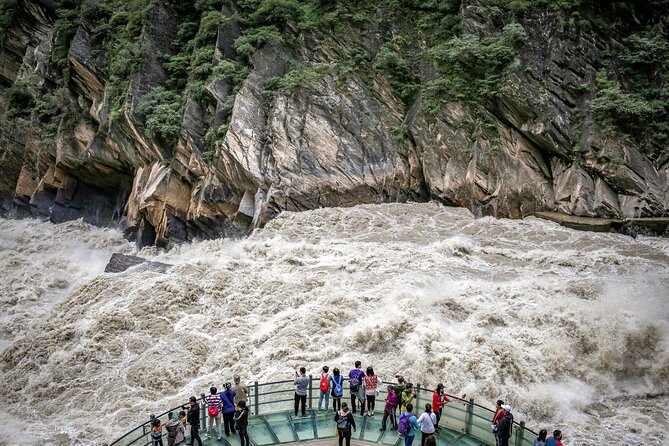
On day five, the road turns toward Tiger Leaping Gorge. The first stop is a viewing deck at the mouth of the canyon, where the upper Yangzi River is forced through one of the world’s deepest gorges.
The scale here is the counterpoint to the food stops. After several days of villages, markets, and family restaurants, you get a major natural sight that demands a little silence.
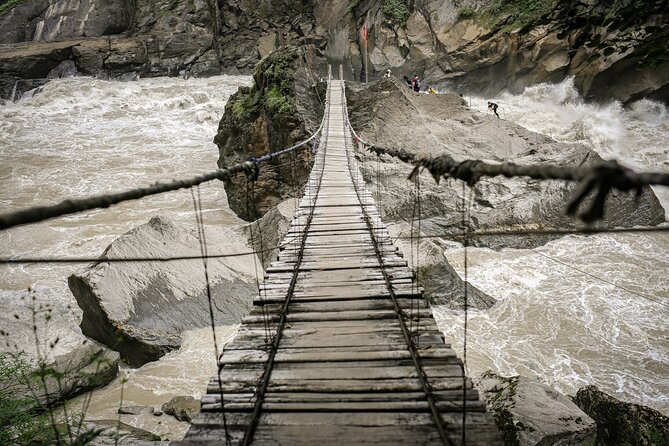
From the middle of the gorge, you can take an optional moderately difficult hike. It lasts about 3.5 hours round trip and includes a descent to the river, suspension bridges, waterfalls, and rock islands, followed by a loop back upward.
Take the word moderately seriously. A downhill route can feel easy at first, but the return climb is the part that tests you. Wear shoes with a firm grip and carry water. Daily water is provided on the trip, but you should still be prepared for a sustained walk.
If you do not want the hike, you can relax at the guesthouse during the afternoon. That choice is important. The trip does not force every person into the most strenuous activity, and the gorge is still worth visiting from the viewing areas.
The overnight stay is one of the trip’s biggest lodging advantages. You stay in a boutique property overlooking Tiger Leaping Gorge, with a poolside setting and a morning view described as among the best of the trip. This is not just a place to sleep between transfers. It gives the gorge time to register.
Shuhe and Lijiang shift the food toward Naxi traditions
After a leisurely morning at the gorge, the route continues to Shuhe Ancient Town, a less touristy old town within the Lijiang area. You stay there for the final portion of the trip instead of being based directly in the busiest part of Lijiang Old Town.
That choice may appeal to you if you prefer a calmer base. The supplied information does not promise complete quiet, but Shuhe is presented as a less touristy alternative. You can use your free time to explore at your own pace.
Day seven begins at Lijiang’s oldest market. You shop for ingredients alongside Naxi residents, then take them to a private cooking studio run by a local Naxi family.
Everyone prepares three dishes and eats them for lunch. This is one of the most useful activities on the trip because you take part in the food rather than simply receiving it. You also get a direct look at how market shopping shapes the meal.
The afternoon moves to Baisha Ancient Town, the oldest village in Lijiang. Its quiet cobbled lanes, coffee options, and views make it a good counterpoint to the morning market. The final dinner returns to Shuhe with a wide selection of Naxi dishes, including roast pork belly with mint, fried eggplant, and spicy fish.
The last evening is designed as a generous finish. If you have spent the week learning the differences between Bai, Dai, and Naxi cooking, this meal brings those ideas together in a distinctly Lijiang setting.
What the $2,200 price really includes
At $2,200 per person, the price is not cheap. But it covers seven nights, private daily ground transport, an English-speaking guide, airport pickup and drop-off, entrance fees, bicycle use, daily water and beer, and most meals.
The food package is substantial: seven breakfasts, seven dinners, and six lunches are included, along with food and drinks during the meals listed in the schedule. That removes much of the usual daily decision-making and adds value if you would otherwise pay for several restaurant meals each day.
The boutique guesthouses also matter. You are not paying only for transport between towns. The trip places you in smaller, more distinctive accommodations, including the gorge property with views and pool access.
Still, you should budget for shopping and activities during free time. Flights to and from Yunnan are not included. The experience is non-refundable and cannot be changed after booking, except that a full refund is offered if the operator cancels because the minimum number is not met. That policy makes travel insurance worth considering.
Who should book this eight-day route
I would choose this trip if you want food to guide your time in Yunnan, but you also want scenery, old towns, cycling, and a manageable hike. It fits people who like trying unfamiliar dishes and prefer a planned route over handling every transfer and restaurant choice alone.
Families can also find something to enjoy. One past departure included two families with teenagers aged 12 to 15, and the schedule offers enough variety to prevent the week from becoming seven straight days of restaurant meals.
You should think twice if you need a lot of unscheduled time, dislike shared dishes, or want luxury hotels with a predictable international menu. The trip is comfortable, but its appeal comes from local food and smaller properties, not from polished resort service.
Most people can participate, and the group is capped at 10. Because the hike is optional, you can join the gorge portion without committing to the full walk.
Should you book it?
Book this trip if you want Yunnan explained through its kitchens, markets, villages, and old roads. The strongest features are the local meals, the full day in Shaxi, the Naxi cooking class, and the chance to spend a night above Tiger Leaping Gorge.
The price is easier to justify if you value convenience, included meals, private transport, and a small group. It is harder to justify if you would rather travel slowly on your own and choose inexpensive restaurants day by day.
Before paying, confirm the airport pickup time and your flight details. The stated meeting time is 12:00 am, which may be a system placeholder rather than the practical arrival time. Also ask about dietary needs, luggage handling, and the exact cycling and hiking arrangements. If those details suit you, this is a well-balanced way to taste several sides of Yunnan without turning the trip into a checklist.
FAQ
How long is the Yunnan food tour?
The trip lasts approximately eight days and includes seven nights of accommodation.
Where does the tour begin?
The tour begins with pickup at Dali Airport in Dali, China.
Where does the tour finish?
Airport drop-off at Lijiang Airport is included on the final day.
How many people can join?
The maximum group size is 10 people.
Are meals included?
Yes. Seven breakfasts, seven dinners, and six lunches are included, along with food and drinks during the meals specified in the schedule.
Are drinks included?
Daily water and beer are provided, and drinks during the listed meals are included.
Is transportation included?
Yes. Private ground transportation is provided each day, along with airport pickup on the first day and airport drop-off on the last day.
Is the Tiger Leaping Gorge hike required?
No. The 3.5-hour round-trip hike is optional. You can relax at the guesthouse instead.
Is bicycle use included?
Yes. Bicycle use is included during the trip, including the countryside ride near Shaxi.
Are flights to Yunnan included?
No. Transportation and flight tickets to and from Yunnan are not included.
Just added around the world
- Zanzibar: Swimming With Horse and Clear Kayaking Tour★ 3.9 · 5 reviews
- Zanzibar: Horseback Riding and Turtle Swimming Tour★ 3.3 · 4 reviews
- Zanzibar: Horseback Riding and Turtle Aquarium Visit★ 4.3 · 4 reviews
- Zakynthos: Yotomu Horse Riding and Swimming Experience★ 4.7 · 80 reviews
- Zanzibar: Horse Riding and Kayaking with Video and Photos★ 4.9 · 10 reviews
- Westport: Beach and Countryside Guided Horse Ride★ 4.8 · 6 reviews
- Xi’an: Half-Day Terracotta Warriors & Horses Museum Tour★ 4.4 · 7 reviews
- Waco: Horseback Riding Tour with Cowboy Guide★ 5.0 · 32 reviews
China Horseback Riding Tours, compared.
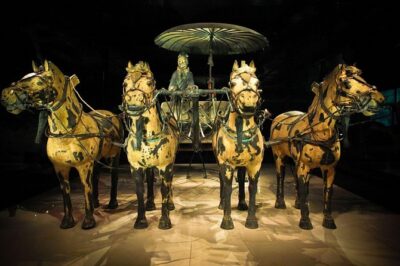
Terra-Cotta Warriors & Horses Essential Full Day Tour from Xi’an
Read our review →
Customized Day Tour to Terracotta Army and Horses Museum
Read our review →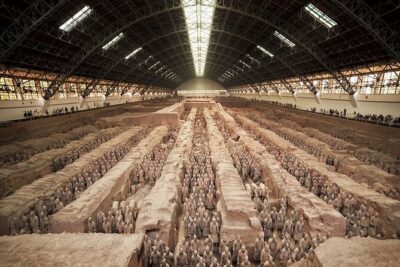
Xi’an Day Tour: Terra-Cotta Warriors & Horses from Beijing by Air
Read our review →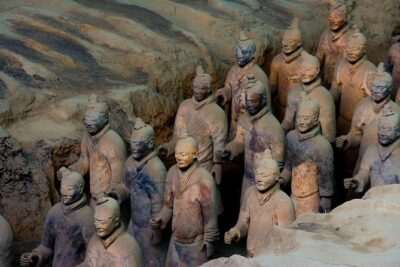
Half-Day Tour: Terracotta Warriors and Horses Museum
Read our review →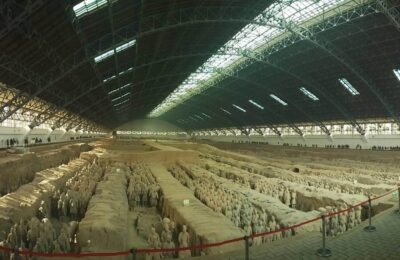
Xi’an: Half-Day Terracotta Warriors & Horses Museum Tour
Read our review →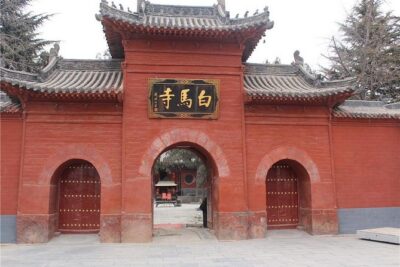
Private Luoyang Day Tour: Longmen Grottoes and White Horse Temple
Read our review →
Private Tour: Badaling Great Wall and Kangxi Grasslands on Horseback
Read our review →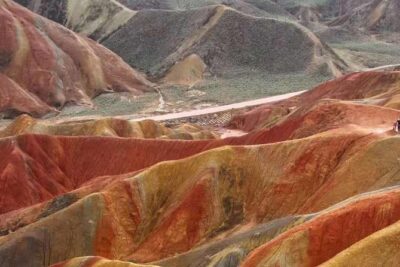
Private Day Tour: Horse Hoof Temple Grottoes and Zhangye Danxia Landform
Read our review →Browse the lists this tour appears in