Review · TOURS
Tokyo: Horse Racing Tour with Local Fan
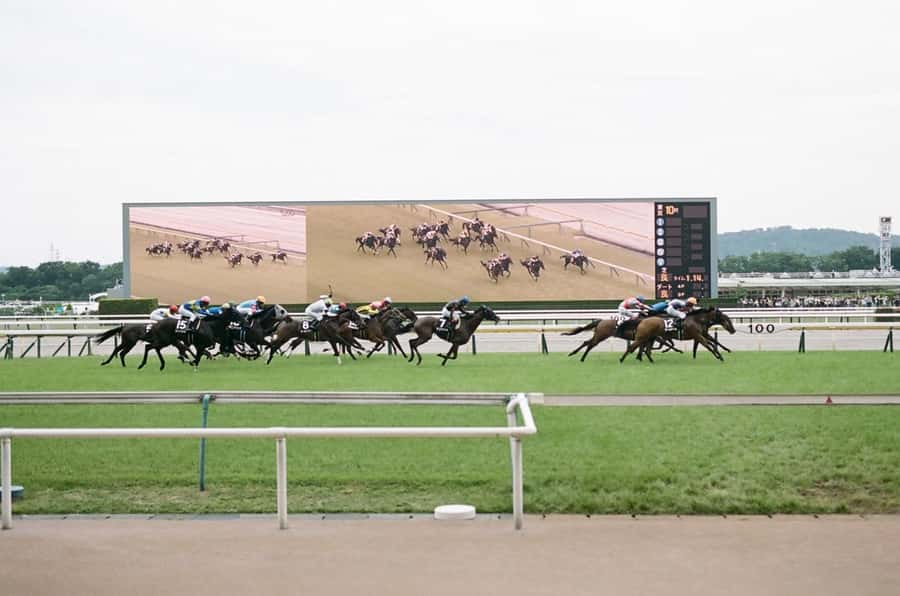
Japanese horse racing gives you a side of Tokyo most visitors never see. With Eito, an English-speaking local guide, you can follow the races, understand the betting slips, and cheer with local fans instead of trying to decode an all-Japanese system alone. I especially like the clear betting help and the chance to enjoy Japanese drinks and racecourse food among regular fans.
I also like that the racecourse changes by date, giving you a genuine local setting rather than a tourist show. The main consideration is cost control: the $60 tour covers admission and guidance, but bets, food, drinks, and train tickets are extra, so bring enough yen and set a firm gambling budget.
Key points at a glance
- Eito’s English betting guidance: Learn how to read the race information and place a wager without knowing Japanese.
- Four possible racecourses: Weekend visits usually go to Tokyo Racecourse or Nakayama Racecourse, while weekday dates use Oi or Kawasaki Racecourse.
- Reserved seating when available: Your guide provides the racecourse seat ticket in person.
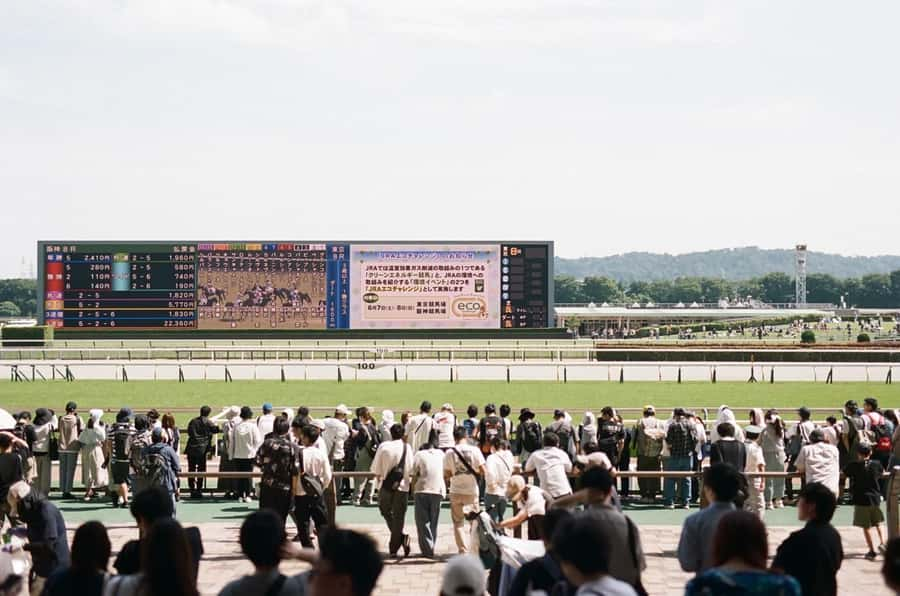
- A real local pastime: Watch Japanese fans study horses, jockeys, odds, and race forms in a setting far removed from Shinjuku or Shibuya.
- Food and drinks at your own cost: Buy items such as karaage, yakitori, sake, beer, cocktails, and seasonal snacks inside the racecourse.
- Bring cash in Japanese yen: You need it for betting, and the tour does not include train fares or purchases.
Why Japanese horse racing is worth your afternoon
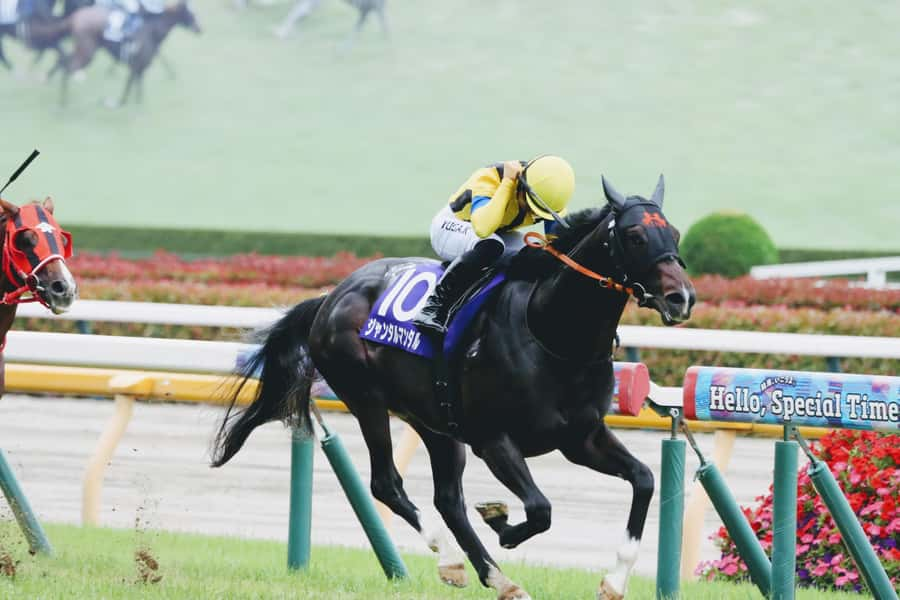
Tokyo can make it easy to spend your entire visit among department stores, neon streets, temples, and famous food districts. Horse racing offers a different kind of cultural window. It is a popular Japanese pastime, yet it rarely appears on the standard sightseeing list.
I like experiences that show how people spend their free time, and this one does exactly that. You are not only watching horses run. You are learning a small set of local customs: how fans study the field, how bets are placed, how race information is presented, and how the crowd reacts when the horses enter the final stretch.
The atmosphere comes from the mix of focus and fun. Fans may be carefully checking jockeys and horses one moment, then shouting for a favorite horse seconds later. You can hold a drink, eat a quick snack, and follow the action race by race. It feels much more like joining a local day out than visiting another famous Tokyo landmark.
You should know that this is a betting experience as well as a sporting one. You do not need to gamble heavily, or at all, but the tour is built around learning how wagers work. If you dislike gambling in any form, the racing and food may not be enough to justify the price.
More Horseback Riding Tours in the world:
- Punta Cana Zipline Adventure with Buggies and Horseback Riding
★ 5.0 · 5,001 reviews - Luquillo Beach Horse Ride from Carabalí Rainforest Adventure Park
★ 5.0 · 4,762 reviews - Reykjavik: Red Lava Horse Riding Tour
★ 4.8 · 2,383 reviews
Meeting Eito and getting oriented
The guide meets you at the designated meeting point while holding a sign with your name. You are asked to send a text when you arrive, which helps the meeting go smoothly in a busy Tokyo transport setting.
Eito is the guide most often associated with this experience. His role goes beyond showing you the entrance. He helps with the train journey when needed, explains the racecourse layout, and translates the parts of the system that can be hard to understand without Japanese.
This support matters because your voucher is not the admission ticket. The guide gives you the reserved seat ticket in person, and entry is only possible when you are accompanied by the guide. That makes the meeting point an essential part of the experience, not a casual suggestion.
The exact train route and meeting details depend on the venue selected for your date. Since the course can change, check the confirmed location before setting out. Give yourself enough time to reach the meeting point and keep your phone available for messages.
Four racecourses, four possible settings
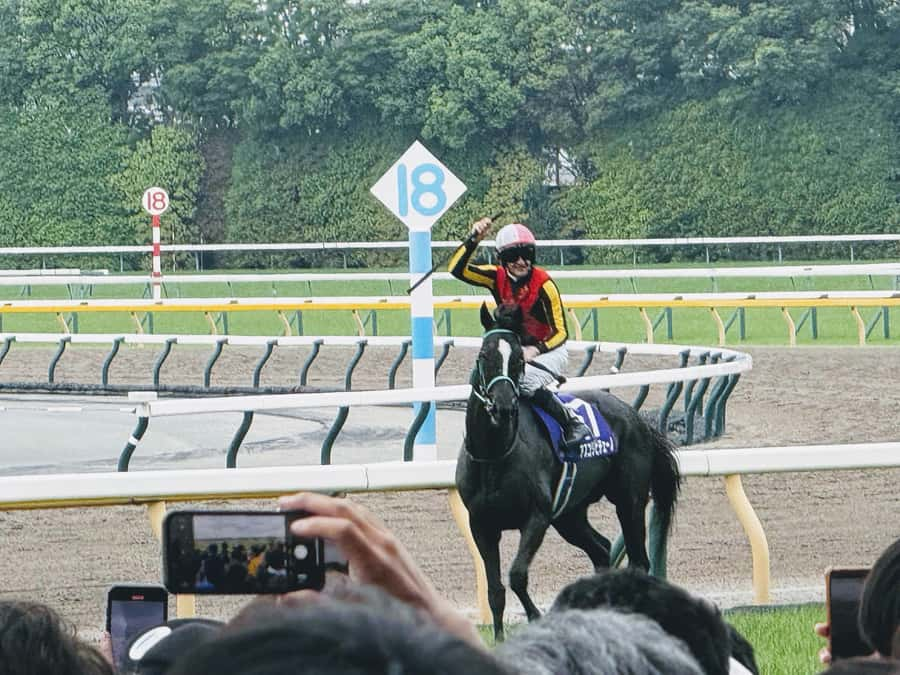
The venue depends on the day you book. On weekends, the tour usually visits Tokyo Racecourse or Nakayama Racecourse. On weekdays, the setting is generally Oi or Kawasaki Racecourse.
That change is useful for visitors who want a less packaged experience. You are not being sent to one fixed attraction every day. Instead, the guide takes you to a working racecourse with a schedule that reflects Japanese racing operations.
Tokyo Racecourse and Nakayama Racecourse are the weekend possibilities. The supplied information does not specify which one you will visit on a particular Saturday or Sunday, so check the venue shown when you select your date.
Oi and Kawasaki are the weekday options. Again, the confirmed racecourse appears during booking. The important practical point is simple: do not assume that every date starts in the same part of Tokyo.
The course location affects your train journey, the scale of the venue, and the feel of the day. Since the tour is designed around the actual race schedule, the changing venue is part of the experience rather than a flaw. It does mean you should not book a restaurant or another timed activity too tightly around the meeting and finish points.
Learning the betting system in plain English
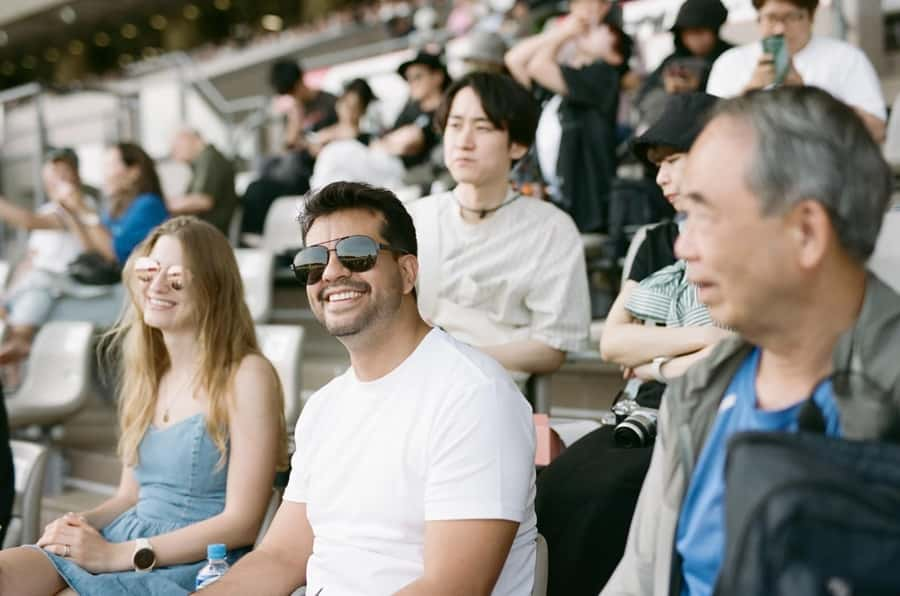
For many visitors, the biggest obstacle is not the racing itself. It is the information around it. Racecourse explanations and betting machines are typically presented in Japanese, and the ticketing process can be confusing if you have never attended Japanese horse racing.
Eito explains the basic rules in English and helps you understand the betting choices. He can guide you through the process of placing bets, explain information about horses and jockeys, and help you make sense of the race setup.
I like this part because it gives the activity some structure. Without help, you might watch horses run but miss the customs and decisions that make the event exciting. With guidance, you can understand what you are looking at and make a small, informed wager if you choose.
Do not treat the guide as a promise of winning. His job is to explain the process, not predict the result. Horse racing remains unpredictable, and a successful bet is luck as much as judgment.
Start with a small amount. You can learn the system without risking much money, then decide if you want to place another bet. Bring cash in Japanese yen, since betting money is not included in the tour price.
Same saddle, a different kind of ground:
- Hurghada: Red Sea & Desert Horse Riding Tour with Swimming
★ 4.8 · 2,198 reviews - El Salobre: Horse Riding Adventure with Transfer Options
★ 4.5 · 2,034 reviews - Half-Day Thoroughbred Horse Farm Tour in Kentucky
★ 5.0 · 1,924 reviews - Cappadocia: Horseback Riding Adventure Tour
★ 5.0 · 1,881 reviews
The reserved seats and race-day rhythm
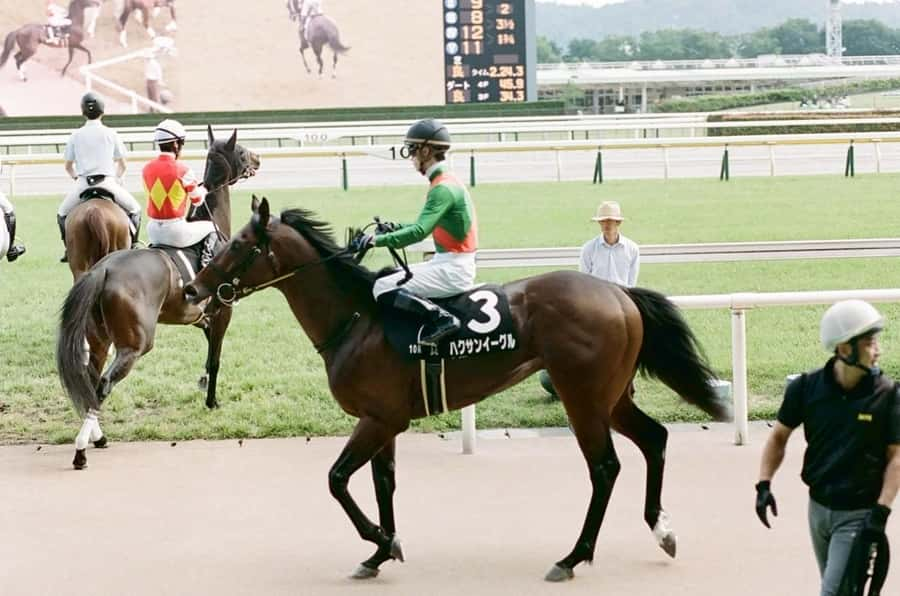
Reserved seating is provided when available, and the guide gives your seat ticket to you in person. A seat gives you a useful base between races, especially if you want to keep your bags, food, or drinks close by.
The exact seating arrangement is not specified, so do not book this expecting a particular grandstand view or premium hospitality area. The value is having a confirmed place to sit and a guide nearby, not a luxury seating package.
The day builds through repeated races. You can watch the horses, listen to the guide, study the next field, place a modest bet, and then follow the result. That rhythm makes the activity easy to settle into, even if you know nothing about racing when you arrive.
The final stretch is where the crowd energy rises. A race can feel exciting even with a small wager because you have learned what to watch and have a reason to care about the outcome. If your horse wins, the thrill is obvious. If it does not, you still have the next race and the chance to learn more.
Food, sake, cocktails, and racecourse snacks
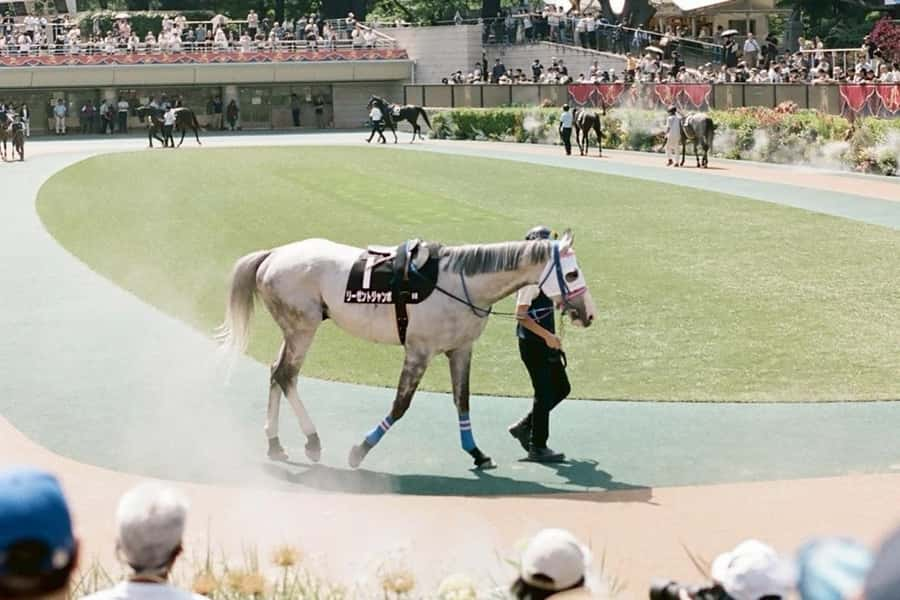
Food and drinks are not included, but you are free to buy them at the racecourse. This is an important part of the local feel. Rather than sitting through a formal meal, you can choose quick, casual food that suits a day spent moving between races.
Possible choices include karaage, yakitori, seasonal snacks, sake, beer, and local cocktails. The available selection may differ by venue and date, so do not expect every item every time.
I would keep your first purchase modest and see what is available. The food is an extra cost, but it also helps you enjoy the event at your own pace. A small plate and a drink can turn the time between races into part of the outing rather than a wait for the next start.
Because drinks are optional and self-paid, the experience works for different budgets. You can buy only a snack, enjoy a drink, or skip the food altogether. Just remember that the advertised $60 does not cover these purchases.
What the $60 price really covers
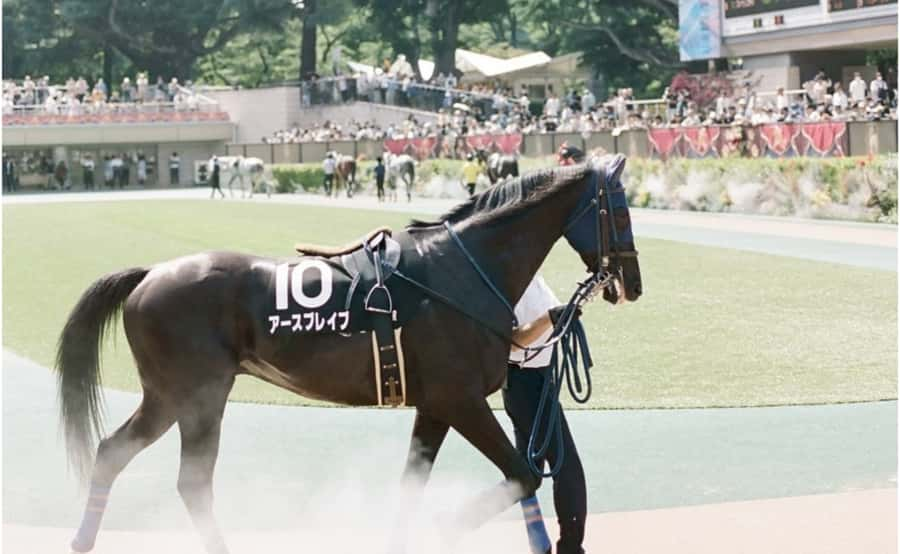
At $60 per person, the tour is not the cheapest way to watch a horse race. You still pay for your own train tickets, meals, drinks, and wagers.
The value comes from the English-language help and the access it provides. Admission is included, and the guide handles the difficult parts of understanding entry, racecourse procedures, and betting. Without that help, you might spend much of the day trying to work out signs, tickets, and machines.
For a visitor who already speaks Japanese and knows Japanese racing, the price may be harder to justify. You could prefer to attend independently and spend your money on food or betting.
For most first-time international visitors, the guide is the main reason to pay. Eito explains the betting options, helps you navigate the train and venue, and makes it possible to take part rather than simply watch from the sidelines. I see the $60 as a fee for interpretation, orientation, and admission, not as a package covering every expense.
Set a total budget before you go. For example, decide how much you are comfortable spending on bets and food, then stop when that amount is gone. This keeps the activity fun and prevents the extra costs from surprising you.
Who will enjoy this most
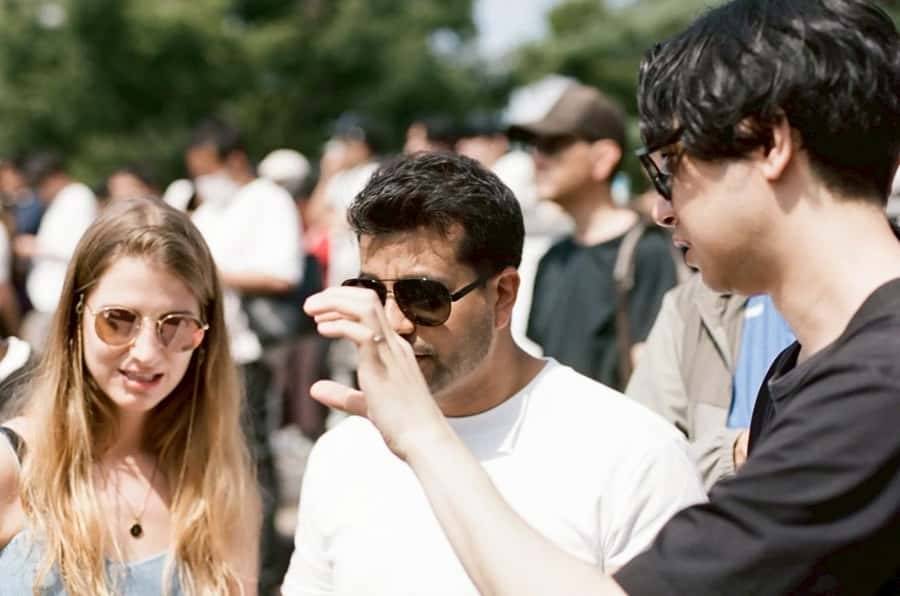
This tour suits you if you want a local activity that is social, energetic, and slightly outside the usual Tokyo plan. It is especially useful if you have never attended horse racing and want someone to explain the rules in clear English.
It also works for experienced race fans. One visitor with experience at major racecourses in New Zealand, Australia, and Hong Kong found the Japanese setting very different, particularly in its scale and intensity. You may already understand odds and betting, but still appreciate help with Japanese race information and local customs.
The experience is less suitable if you want a quiet cultural visit, a fixed luxury itinerary, or an activity with no extra spending. The crowd can be excited, the betting creates emotional highs and lows, and the venue changes by date.
It is also worth considering your group. Friends who enjoy cheering, trying local food, and making small bets will likely have a good time. Someone who dislikes racing or gambling may feel out of place, even if they are interested in Japanese culture.
Practical advice before you go
Bring cash in Japanese yen for bets and any food or drinks. Betting amounts are paid individually, and the tour price does not cover train tickets.
Keep your phone ready and text when you reach the meeting point. Look for the guide holding a sign with your name. Since the voucher is not the admission ticket, do not try to enter the racecourse on your own before meeting the guide.
Check the racecourse shown for your chosen date. Weekend and weekday venues differ, and the location affects your journey across Tokyo. Wear something comfortable for a day spent walking around a large public venue, though no special clothing requirement is provided.
Do not build your plans around winning. The best approach is to treat betting as part of the lesson and entertainment, not as a way to finance your holiday.
The activity ends back at the meeting point. You may want to keep your evening plans flexible, since the exact venue and transport route depend on the date.
Should you book this Tokyo horse racing tour?
Book it if you want to see a side of Tokyo that most sightseeing plans miss, and if English help with betting and racecourse procedures matters to you. The strongest reasons are Eito’s clear explanations, his help with train and venue navigation, the included admission, and the chance to sit among local fans while enjoying food and drinks at your own cost.
Skip it if horse racing does not interest you, if you want all expenses included, or if you prefer a polished tourist attraction with a fixed location. At $60, the tour makes the most sense for first-time visitors who would struggle with an all-Japanese racecourse system.
Bring yen, keep your bets small, and check the racecourse before the day. If you do that, this can become one of the more unusual and entertaining cultural outings in Tokyo.
FAQ
What is included in the $60 tour price?
The price includes an English-speaking guide, admission to the racecourse, an explanation of horse racing rules and betting, help with placing bets, and a reserved seat ticket when available.
Are food and drinks included?
No. You buy your own food and drinks at the racecourse. Options may include karaage, yakitori, seasonal snacks, sake, beer, and local cocktails.
Are betting costs included?
No. You pay for all bets yourself. Bring cash in Japanese yen.
Which racecourse will I visit?
The venue depends on your chosen date. Weekend tours usually visit Tokyo Racecourse or Nakayama Racecourse. Weekday tours go to Oi or Kawasaki Racecourse.
Who is the guide?
The English-speaking guide associated with the experience is Eito. He explains the betting process, race information, jockeys, and horses, and can help with navigating the train and racecourse.
Is the voucher an admission ticket?
No. The GetYourGuide voucher is not the racecourse admission ticket. The guide gives you your reserved seat ticket in person.
Can I enter the racecourse without the guide?
No. Entry is only possible when you are accompanied by the guide.
Do I need to speak Japanese?
No. The guide provides explanations and assistance in English, including help with the Japanese betting system.
Are train tickets included?
No. You pay for your own train tickets to and from the meeting point and racecourse.
Just added around the world
- Zanzibar: Swimming With Horse and Clear Kayaking Tour★ 3.9 · 5 reviews
- Zanzibar: Horseback Riding and Turtle Swimming Tour★ 3.3 · 4 reviews
- Zanzibar: Horseback Riding and Turtle Aquarium Visit★ 4.3 · 4 reviews
- Zakynthos: Yotomu Horse Riding and Swimming Experience★ 4.7 · 80 reviews
- Zanzibar: Horse Riding and Kayaking with Video and Photos★ 4.9 · 10 reviews
- Westport: Beach and Countryside Guided Horse Ride★ 4.8 · 6 reviews
- Xi’an: Half-Day Terracotta Warriors & Horses Museum Tour★ 4.4 · 7 reviews
- Waco: Sunset Horseback Ride★ 4.8 · 10 reviews
Tours, compared.
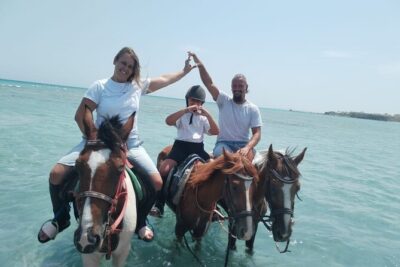
Red Sea & Desert Horse Riding Tour with Swimming
Read our review →
Half-Day Thoroughbred Horse Farm Tour in Kentucky
Read our review →
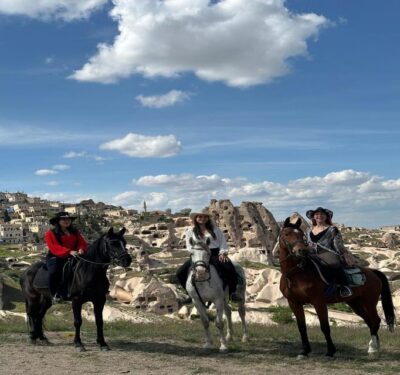
Horseback Tour with Sunrise and Sunset Options
Read our review →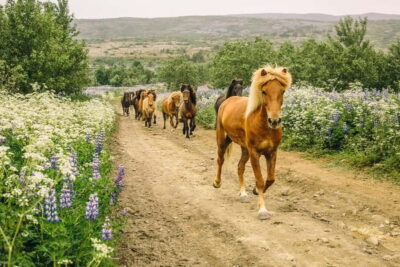
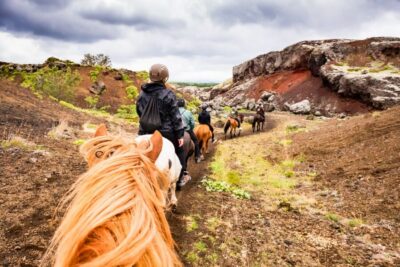
Icelandic Horse Riding Tour & Pickup Option from Reykjavik
Read our review →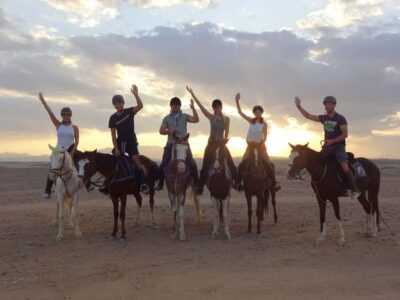
Sea & Desert Horse Tour, Stargazing, Dinner & Show
Read our review →